How to winterise plumbing pipes
Protection and Prevention of Winter Plumbing Emergencies
As the nights draw in and the temperature begins to drop across the UK, homeowners start to turn their thoughts towards keeping their properties warm and dry. While we often remember to check our radiators or bleed the heating system, one of the most critical aspects of home maintenance is often overlooked until it is too late. Winter plumbing requires a proactive approach to ensure that your home remains functional and safe throughout the coldest months of the year.
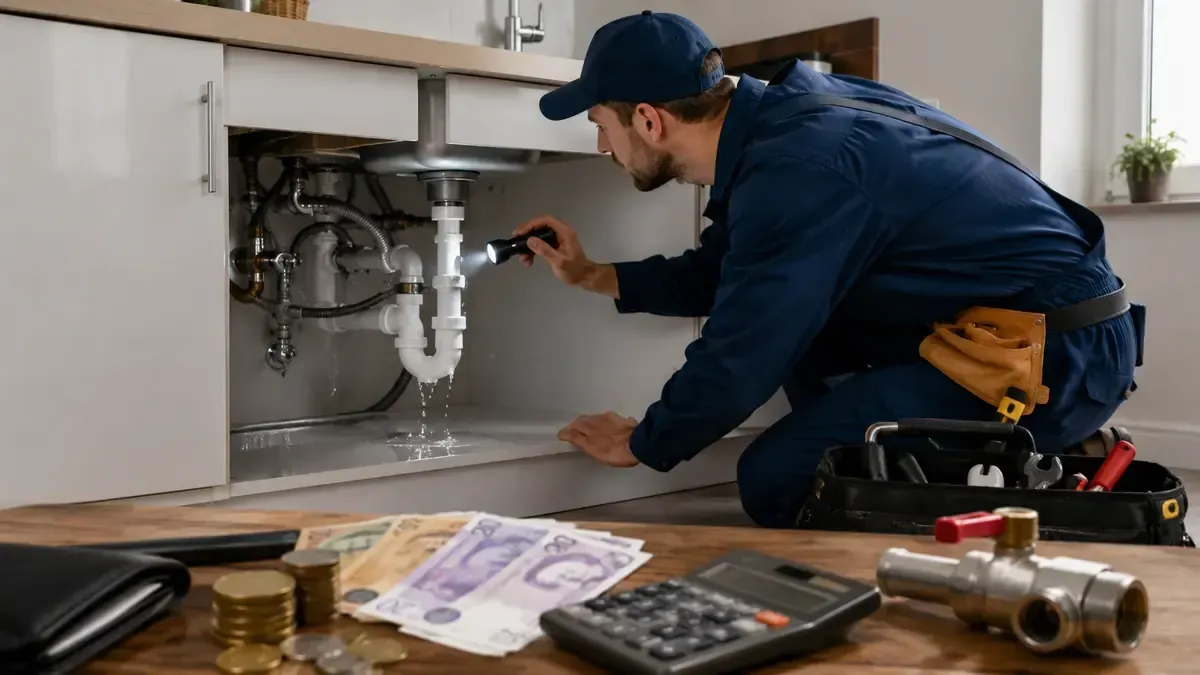
The threat of freezing temperatures is more than just an inconvenience. When water turns to ice inside your copper or plastic pipes, it expands with immense force. This expansion is often enough to split a pipe wide open. You might not even notice the damage while the pipe remains frozen, but as soon as the thaw begins, the resulting flood can cause thousands of pounds worth of damage to your flooring, electrical systems and furniture. Learning how to prevent burst pipes in winter is one of the most cost effective skills a homeowner can acquire.
Here are some steps you can take to prevent frozen pipes and ensure your plumbing system survives the harshest British winter without a hitch. Alternatively you can download this guide to print and keep handy at home.
Understanding why pipes burst in winter
Before we dive into the practical steps, it is helpful to understand the science behind why pipes burst in winter in the first place. Many people assume that the pipe bursts at the exact spot where the ice forms. However, this is not always the case. When ice forms in a pipe, it creates a blockage. As more ice forms, it increases the water pressure between the ice blockage and the closed tap. It is often this extreme pressure that causes the pipe to fail at its weakest point, which might be several feet away from the actual frozen section.
By taking steps to winterise your plumbing, you are essentially removing the conditions that allow this pressure to build up. This involves a combination of insulation, temperature management and smart water usage.
Identify the vulnerable areas of your home
The first step in any winter plumbing strategy is to conduct a thorough audit of your property. Not all pipes are at equal risk. The ones most likely to freeze are those located in unheated areas or exposed to the elements.
Walk through your home and look for pipes in the following locations:
- The loft or attic space
- Garages and outbuildings
- Crawl spaces or underfloor voids
- External walls, especially those facing north
- Outside taps and garden watering systems
Once you have identified these high-risk zones, you can begin the process of protection.
Insulation is your first line of defence
If you want to prevent frozen pipes, insulation is the most effective tool at your disposal. In the plumbing industry, we refer to this as lagging. Pipe lagging involves wrapping your pipes in foam or rubber sleeves to retain heat and provide a barrier against the cold air.
You can purchase pipe lagging from most hardware stores for a very low cost. It usually comes in various diameters to fit different pipe sizes. When installing lagging, ensure there are no gaps at the joints. Use waterproof tape to secure the ends and join different sections together. Pay particular attention to bends and T junctions, as these are often where the cold air manages to penetrate.
Don’t forget to insulate your water tanks if they are located in the loft. A tank jacket is a simple addition that can prevent the water inside from turning to slush during a cold snap.
Managing the temperature inside your home
While it might be tempting to turn the heating off completely when you go out or head to bed to save on energy bills, this can be a risky move during a freeze. A consistent, low level of heat is far better for your plumbing than cycles of extreme heat followed by freezing cold.
Setting your thermostat to a minimum of twelve to fifteen degrees Celsius, even when you are not at home, ensures that the air temperature remains high enough to prevent the water in your pipes from reaching freezing point. Most modern boiler systems have a frost protection setting. This feature automatically kicks in if the water in the system drops below a certain temperature, circulating warm water to prevent a freeze. If you are unsure if your boiler has this, it is worth checking the manual or asking a professional during your annual boiler service.
Where is the stopcock?
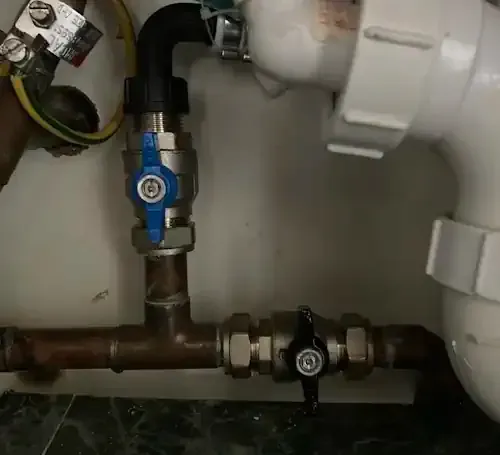
Knowing how to prevent burst pipes in winter includes knowing what to do if the worst happens. Every homeowner should know the location of their internal stopcock. This is the valve that shuts off the water supply to the entire house. It is usually found under the kitchen sink in modern houses, but may also be in a hallway cupboard or under the stairs.
During the winter, it is a good idea to test the stopcock to ensure it is not seized. Turn it clockwise to close it and check that the water stops flowing from your taps. If it is stuck, do not force it. Instead, contact a local plumber to have it serviced or replaced. If a pipe does burst, being able to turn off the water immediately can mean the difference between a small puddle and a catastrophic flood.
Don't forget the outside taps
External taps are often the first victims of a cold snap because they are completely exposed to the wind and snow. To protect them, you should first isolate the supply to the outside tap if you have an internal shut off valve for it. Once the water is turned off inside, open the outside tap to drain any remaining water from the pipe.
If you do not have an internal isolation valve, you should use an insulated tap cover. These are inexpensive polystyrene or fabric bags that fit over the tap to keep the frost away. It is also vital to disconnect any garden hoses. If a hose is left attached and filled with water, the ice can back up into the tap and cause the internal pipework to split.
Open your cabinet doors
This might sound like a strange tip, but it is highly effective during periods of extreme cold. Most kitchen and bathroom pipes are tucked away inside cupboards. These cabinets act as insulation, keeping the cold air in and the warm house air out. By opening the cupboard doors, you allow the warm air from your heating system to circulate around the pipes. This simple action can provide just enough warmth to keep the water flowing and prevent a freeze in the pipes hidden beneath your sink.
Repair dripping taps
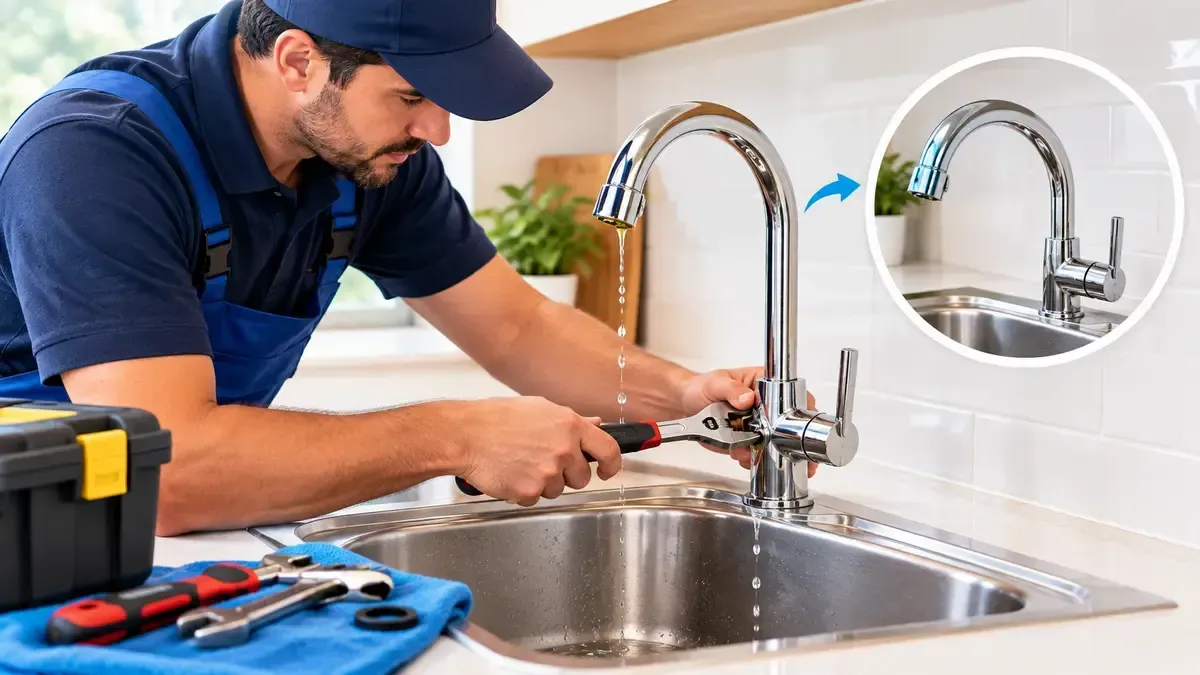
A tap that drips might seem like a minor annoyance, but in the winter, it can lead to a major problem. As the water drips slowly, it can freeze within the waste pipe or the drain. Over time, this ice builds up until the entire pipe is blocked. This can lead to sinks overflowing or, in the case of external waste pipes, the pipe splitting under the weight of the ice. Replacing a washer or a ceramic disc is a quick and cheap fix that can save you a lot of trouble when the frost hits.
What to do if you are going away
If you are planning to head away for a winter holiday, you must take extra precautions. Many people make the mistake of turning everything off to save money, only to return to a disaster zone.
If you are leaving the property empty, you have two main options. The first is to leave the heating on a low frost setting as mentioned previously. The second, more secure option is to turn off the water at the stopcock (see “where is the stopcock” above) and drain the system entirely. To do this, turn off the stopcock and then open all the taps until the water stops running. This ensures there is no water left in the pipes to freeze while you are gone.
Dealing with a frozen pipe
If you turn on your tap on a cold morning and only a trickle comes out, or nothing at all, you likely have a frozen pipe. It is vital that you act quickly but safely.
First, turn off the water at the main stopcock (see above). Then, open the tap that is affected. This allows the water to flow out once the ice melts and relieves the pressure. You can then try to thaw the pipe using a hairdryer on a low setting or by wrapping the pipe in towels soaked in warm water.
Never, under any circumstances, use a blowtorch or any open flame to thaw a pipe. This is extremely dangerous and can cause the water inside to boil and explode the pipe, or even start a fire in your home.
If you cannot locate the frozen section or if you notice any signs of a leak or a crack, call a professional local plumber immediately.
The role of professional plumbing maintenance
The best way to ensure your home is ready for the winter is to invest in professional boiler and pipe maintenance. A regular boiler service is not just about making sure you have hot water for your morning shower. It is about ensuring the entire system is operating efficiently and that safety features like frost protection are working correctly.
A professional plumber can also inspect your pipework for signs of corrosion or poor insulation that you might have missed. Dealing with these small issues before the temperature drops is much easier and cheaper than dealing with an emergency call-out in the middle of a January snowstorm.
Keeping your gutters clear
While not strictly part of your internal plumbing, your gutters and downpipes play a huge role in winter property maintenance. If gutters are blocked with leaves and debris, water can back up and freeze. This creates heavy ice dams that can pull the guttering away from your roof or cause water to seep into your wall cavities. When this water freezes and expands inside your masonry, it can cause structural damage.
Ensure your gutters are cleaned out before the first frost to allow meltwater to flow away freely.
Summary of winter plumbing checks
To recap, here is a quick checklist to help you stay ahead of the weather:
- Insulate all exposed pipes with foam lagging.
- Fit a jacket to your water tank.
- Locate and test your internal stopcock.
- Isolate and drain outside taps.
- Check your boiler is serviced and the frost protection is active.
- Keep the heating on at a low level during extreme cold.
- Fix any leaking taps.
Keep a professional plumber's number handy for emergencies.
Why choose Assett Plumbing for your winter needs
At Assett Plumbing, we understand the stress and disruption that plumbing issues can cause, especially during the winter months. We have spent years helping homeowners across Northampton, Kettering, and Wellingborough protect their properties from the elements.
Whether you need a comprehensive boiler service to get ready for the cold or you are facing the nightmare of a burst pipe, our team is here to help.
Check the list of areas across Northamptonshire that we cover to see if we can help you:
We pride ourselves on our transparent pricing and our commitment to high-quality workmanship. We do not just fix the immediate problem; we look for ways to improve your system's resilience so you can have peace of mind all year round.
Winter plumbing does not have to be a source of anxiety. By taking these simple, proactive steps, you can protect your home, your belongings and your bank account from the harsh effects of the British winter.
Contact us today
Do not wait for the next frost to find out your pipes are vulnerable. If you are worried about your plumbing or if your boiler is due for its annual check, get in touch with the experts.
Protect your home and prevent burst pipes this winter by booking a professional inspection with Assett Plumbing. Our friendly team is ready to provide expert advice and reliable service to keep your water flowing and your home warm.
Click below to book your service or call us directly on 01604 372395 for emergency assistance.
Let us help you winterise your home today.
You might also like