Why You Keep Getting Air in Your Heating System - Even After Bleeding?
Do You Still Have Air in the Pipes - Even After Bleeding the Radiators?
If you’ve taken the time to bleed your radiators, it’s frustrating when the sputtering, gurgling, and cold spots return just a few days or weeks later. Air in your heating pipes can seem like a minor issue, but when it keeps returning, it often signals something deeper is going on within your system.
The below guide will help you understand the potential root causes of recurring air and provide practical steps to solve it for good, keeping your home warm and your fuel bills down.
What Causes Recurring Air in a Heating System?
A small amount of air in your plumbing system is perfectly normal, especially after maintenance or a brief water supply interruption. The real problem starts when the air keeps coming back. When this happens, it usually points to one of the following underlying issues:
1. Leaks on the Suction Side of the System
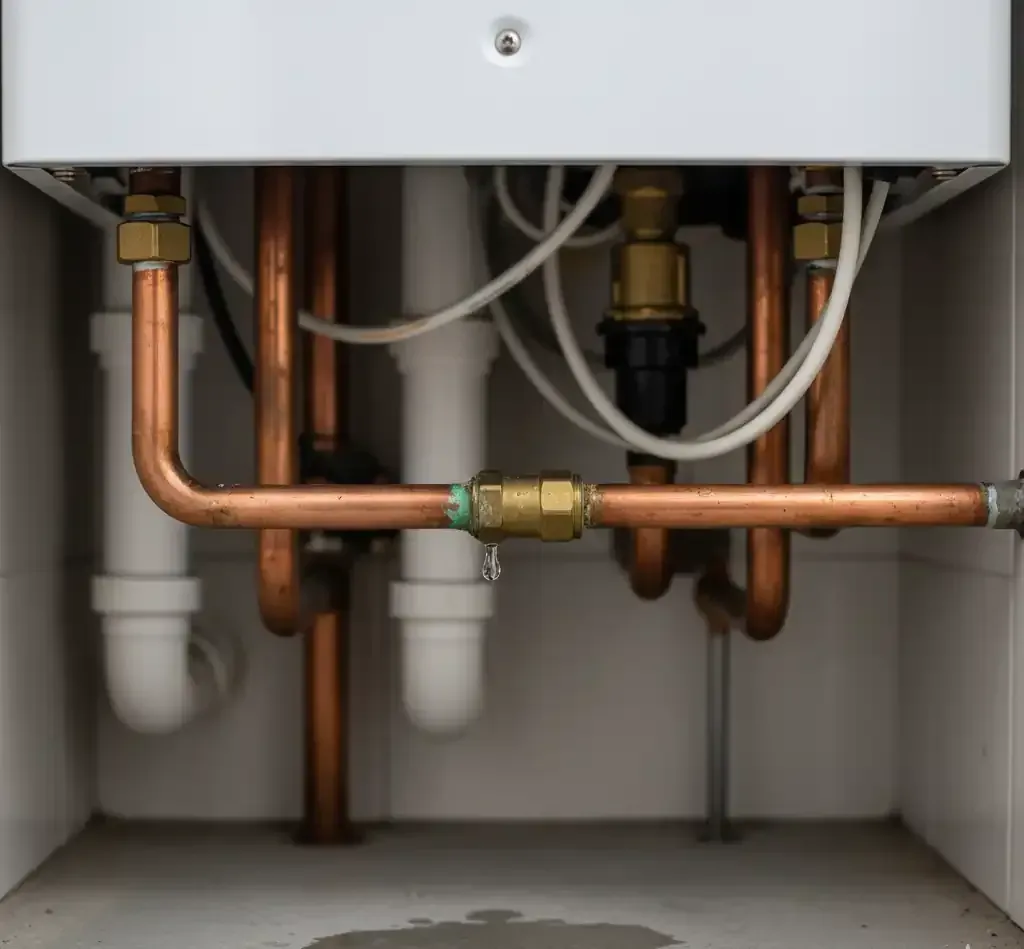
This is one of the most common and can be one of the trickiest issues to resolve. If there is a small leak on the suction side of your plumbing system, for example, around a pump or a valve, it can actually draw in air instead of letting water out.
The Hidden Leak: You might not see any water dripping, but air is quietly "sneaking in" and creating bubbles or pressure fluctuations inside your pipes.
This is why simply trying to remove trapped air from water pipes can often only be a temporary fix.
2. Faulty Check Valves or Degrading Joints
As your heating system ages, certain components can wear out:
Worn Valves: Loose or worn-out check valves can let air back into the system whenever the water flow stops.
Old Seals: Joints and seals that have degraded over time can slowly introduce air into your plumbing system. This is especially common in older properties with older pipework, radiators, or boilers.
3. Air Introduced During Heating System Maintenance
Sometimes, the problem starts with a recent repair. If you've recently had work done on your boiler or radiators, or a boiler replacement, the returning flow of water can push air into your system. Even after bleeding, pockets of trapped air can remain in bends and high points of hot water pipes.
Recognising the Signs of Air in Water Pipes
If you've bled your radiators but suspect air is still trapped, look out for these classic symptoms:
- Noise: Loud gurgling noises inside the boiler or pipes, or a persistent air in pipes noise that sounds like running water when no tap is on.
- Cold Radiators: Cold spots on radiators, especially at the top, which is where trapped air collects, when this should actually be the hottest part of the radiator.
- Poor Performance: Uneven heating performance where the system struggles to reach its set temperature.
- Boiler Cycling: The boiler is cycling on and off more frequently than usual as it tries to compensate for the heat lost due to the air pockets.
Crucially: If these symptoms return quickly after bleeding, the issue is likely recurring air that you need to address, not just a few leftover bubbles.
Your Questions About Air in the System
Let's address the most common questions people ask about this issue, helping you to get rid of air in water pipes permanently.
Q: Will an airlock clear itself?
A: While tiny air pockets might eventually dissolve or pass through the system, an actual airlock (a large pocket of trapped air) will generally not clear itself. Air is lighter than water, so it gets trapped at high points in the pipework. The only way to solve it is by bleeding the system or by using pressure (often by a professional) to push the air out. The key is knowing how to release an airlock in a water pipe.
Q: How to get rid of air in a heating system?
A: The initial fix is bleeding your radiators, which you've probably already done. To address recurring air and truly how to eliminate air in water pipes, you must identify and fix the root cause (see 'How To Prevent Air From Returning' below).
However, once the underlying cause of the problem, a power flush can help remove both air and debris from the hot water system, and then bleeding all the radiators will usually remove the rest, or any air bubbles that have settled at the top of radiators.
Q: Why does air get into my heating system?
A: Air can enter in three main ways:
- Suction Leaks: The most likely culprit for recurring air.
- Maintenance: When the system is refilled after repairs, air gets trapped.
- Worn Components: Faulty valves or seals allow air to slowly seep in.
How To Prevent Air From Returning and Keep Your Heating System Air-Free
You can significantly reduce or even stop air from re-entering your heating system by taking these steps.
1. Check for Leaks and Loose Fittings
You need to look beyond obvious drips.
- Inspect Connections: Visually inspect pipework, joints, and connections around the boiler, pump, and radiators.
- The Suction Side: Remember, even a tiny suction leak can draw in air without dripping water, so look for any signs of corrosion or subtle dampness.
2. Maintain Boiler and Heating Equipment
Regular maintenance is the best preventative measure.
- Service Regularly: Have your boiler and expansion vessel serviced annually. Faulty components or incorrect pressure can force air back into the system. This is essential for preventing the need to constantly try to clear the air from water pipes.
3. Have Your Plumber Install Automatic Air Vents
In homes with persistent, recurring issues, your plumber may recommend installing automatic air vents.
Continuous Release: These devices are specifically designed for heating systems and continuously release trapped air without you having to manually bleed your radiators.
When to Call a Professional Plumber
If you’ve bled your system multiple times, checked for leaks, and air keeps returning, it’s time to bring in a professional plumber.
A qualified expert, like the team at Assett Plumbing, has the specialist tools and knowledge to:
- Identify and repair the small, hidden suction leaks.
- Service or replace worn-out check valves and seals.
- Ensure your boiler's expansion vessel and pressure are correctly balanced.
We can help identify and repair the issue quickly and effectively, keeping your home’s heating system air-free and running smoothly.
You might also like