Maximising Your Homes' Energy Efficiency
What Makes a Heating System Efficient
Clear sludge from the system if you have it, turn your boiler's flow temperature down to around 60°C if it is suitable, make sure the radiators are balanced, use your controls properly, and have the boiler serviced every year. Together, these cost little or nothing compared with replacing a boiler.
There's nothing better than feeling warm and toasty on a cold winter morning. However, heating your home can be quite expensive, and while you may enjoy the heat now, you certainly won't like to see your heating bill! Thankfully, there are many ways that you can improve the heating efficiency of your home so that it requires less energy to keep your home warm. These tips should be implemented before the winter months so that you can save as much money as possible. With that said, let's get started!
Clean Up Your System Water (Sludge and Power Flushing)
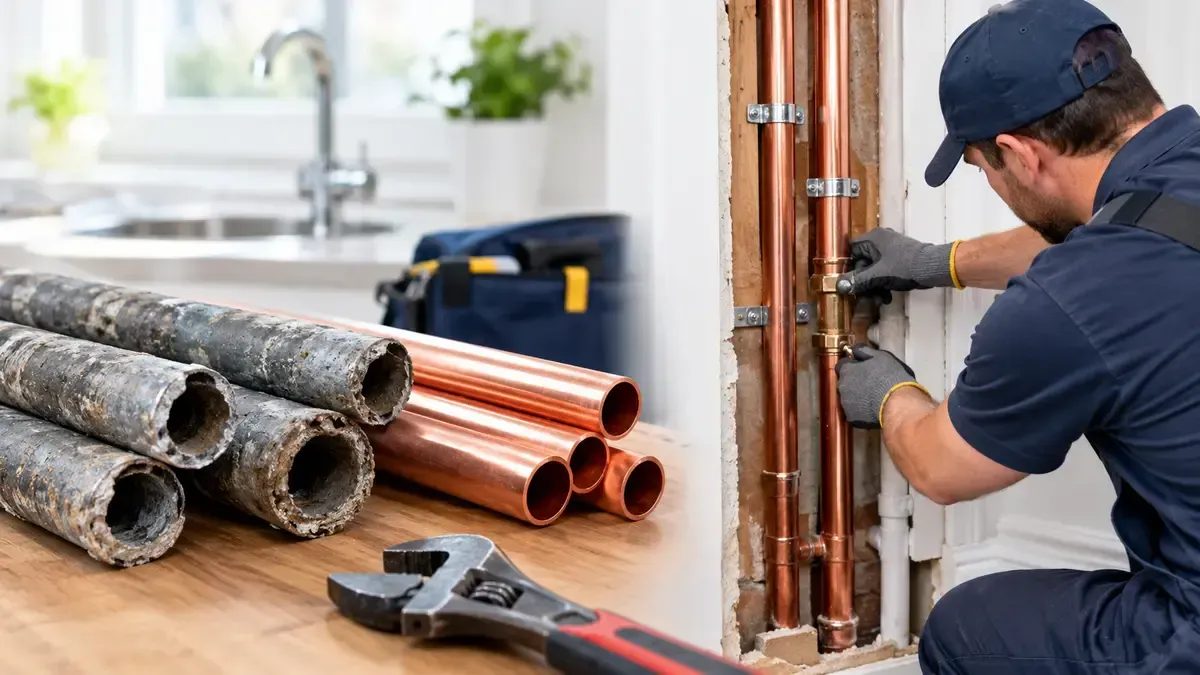
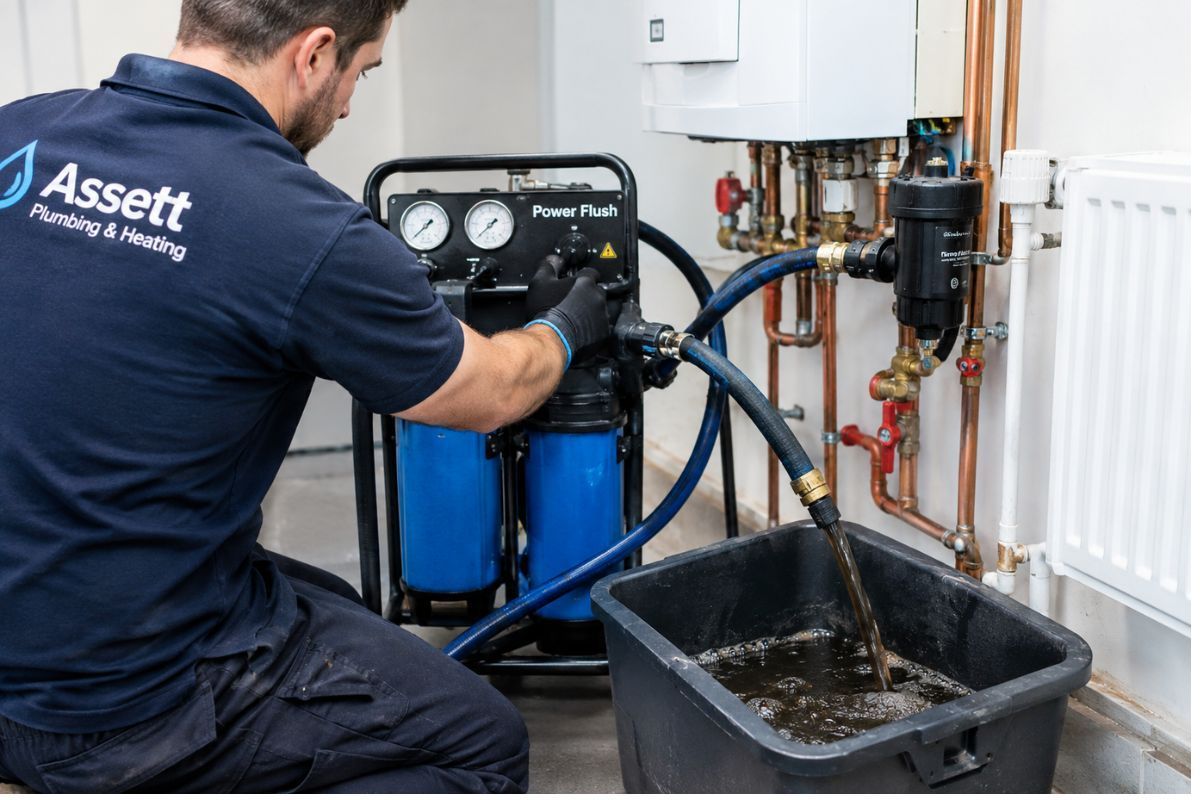
Over the years, the steel in radiators and pipes corrodes and produces a thick black sludge, mostly rust and debris. It settles in radiators, restricts water flow and makes the boiler work harder to get the same heat into your home.
Typical signs are radiators that stay cold at the bottom, black water when you bleed a radiator, a noisy boiler and a house that takes a long time to warm up. Our guide to why a radiator is cold explains how to tell sludge from trapped air.
A power flush pushes water through the system at high flow to shift the sludge. We then add corrosion inhibitor and, ideally, fit a magnetic filter to catch new debris. You can read more in our explainer on what a central heating power flush is.
Schedule Maintenance Services On Your Central Heating System
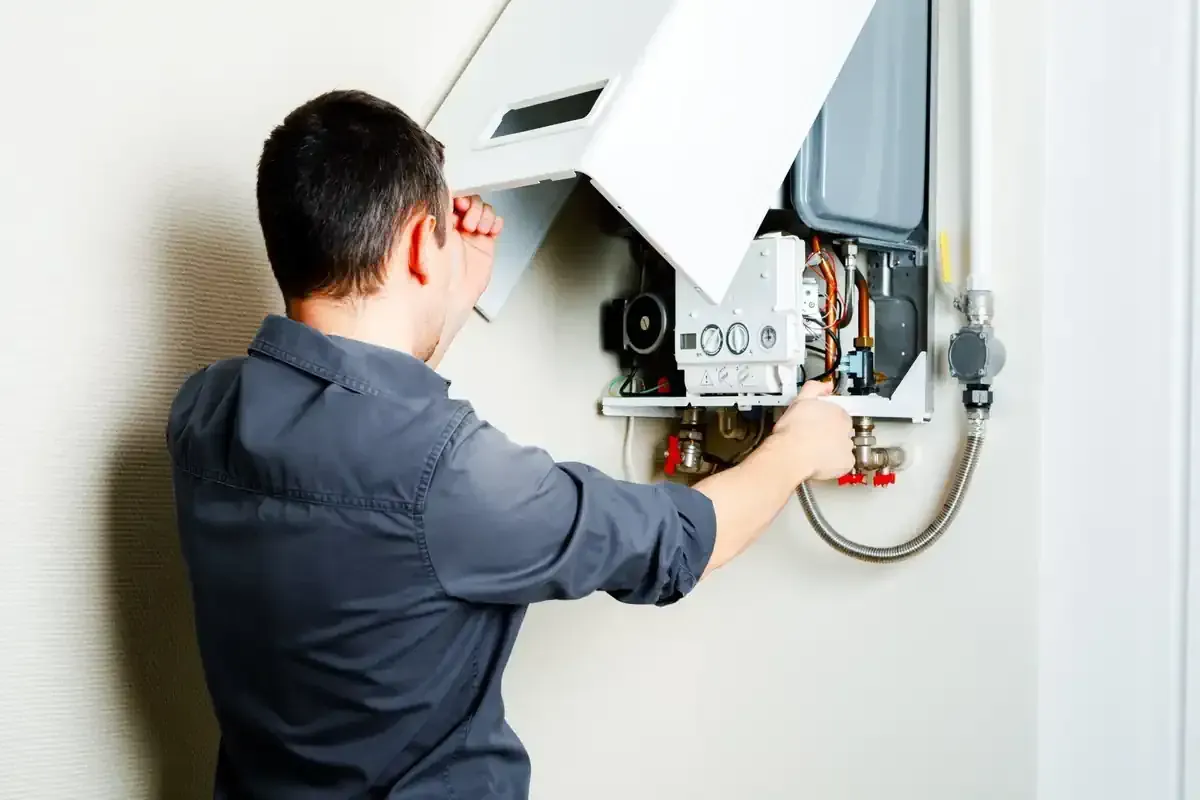
Unfortunately, many people don't schedule maintenance and servicing on their central heating system. As a result, this causes the system to work less efficiently over time, meaning that you'll need to turn up the heat all the way up, just to get a warm trickle of air. This happens because sludge forms in the pipes of the system, and this prevents efficient heating. Sludge is basically a dark substance that is made from the reaction between air, water, the metal of the pipes and limescale. This sludge causes blockages in the pipes and valves of your heating system, which greatly reduces its ability to heat your home properly.
Regular maintenance work can help to prevent sludge, and in particular, a power flush. This power flush, conducted by a local plumber will flush out all of the sludge in the heating system while inserting a chemical inhibitor to prevent the sludge from occurring again for about 10 years. This will cost in the region of £200 - £500 depending on the size of your system. However, once it is done, your home will heat up much faster and more easily, without using much energy. This will reduce your heating bills significantly.
Set Up Your Boiler Properly: Flow Temperature, Balancing and Hot Water
This is the part most efficiency guides miss, and it is where a small adjustment can make a real difference.
Lower your boiler flow temperature
The flow temperature is the temperature of the water your boiler sends to the radiators. Many boilers leave the factory set to 70 to 80°C. A government energy-efficiency campaign and the Energy Saving Trust both point out that lowering it to around 60°C lets a condensing boiler recover more heat from its flue gases. It is not the same as turning down your room thermostat, and it does not mean a colder house.
Buy A Programmable Thermostat
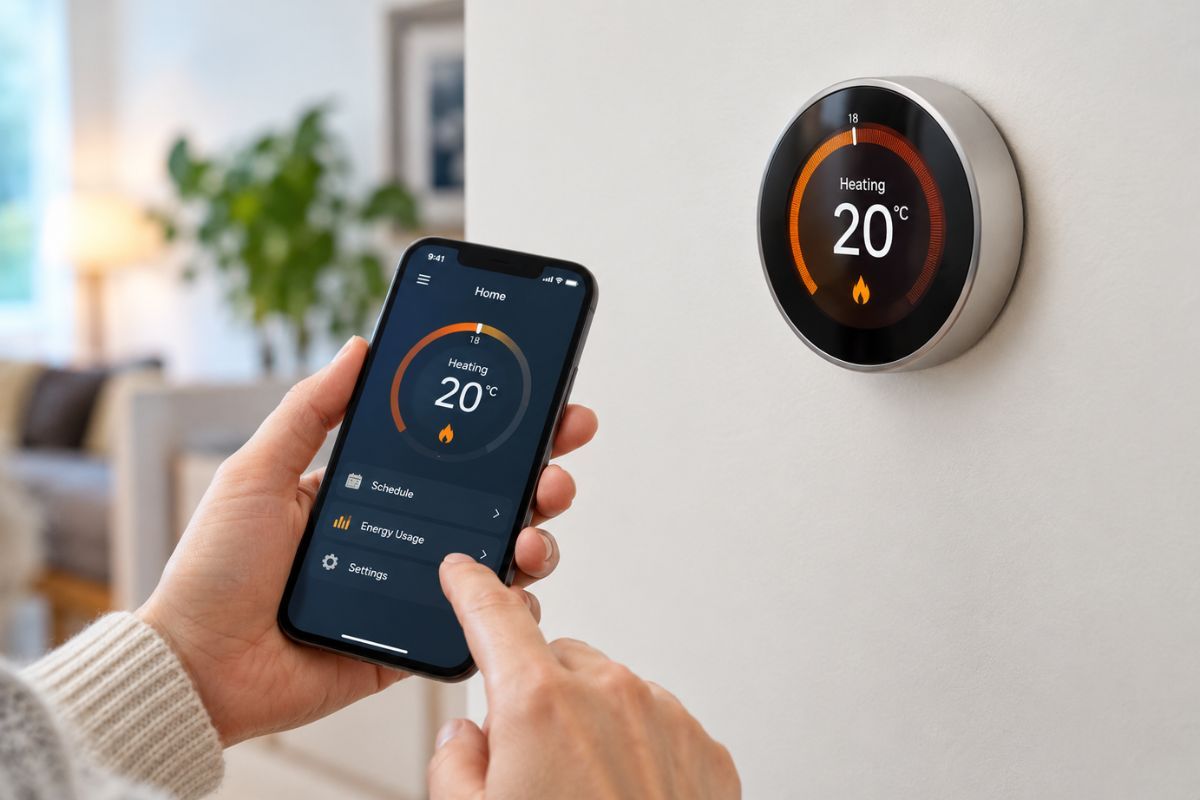
There are basically four different types of thermostats that can be used in your home: manual or mechanical, programmable, learning or smart and a digital non-programmable thermostat. The main difference between the programmable and smart thermostats and the rest is that they can be made to increase or decrease temperatures at specific times during the day or night according to your personal schedule. As a result, you can set the thermostat at higher temperatures when you're home and lower temperatures when you're not home. This will ensure that your home is only using energy when it's actually needed.
In particular, smart or learning thermostats are able to automatically detect when people are home so that they will automatically increase the temperature. They can also learn the right temperature to set your home at, since they learn based on past adjustments. Also, the majority of these modern smart thermostats can be connected to home automation systems such as Alexa, Google Home, etc. You can even connect it to your smartphone to determine when everyone has left the home.
Seal Your Home
Thirdly, another great option that will help to maximise heating efficiency is simply sealing your home. When you seal your home, you will prevent the warm air within your home from escaping. Most homes usually have lots of air leaks, and these can cause the warm air to escape, causing the temperatures within your home to drop rapidly. It is highly recommended that you hire a heating professional to do an energy audit of your home so that they can identify these leaks and then seal them properly.
Do A Home Energy Audit
As mentioned previously, a home energy audit can help to determine where the air leaks are in your home so that they can be sealed. However, an energy audit can also help you to understand how you are using energy, where that energy is being wasted and the different ways that you can make your home more energetically efficient. When you hire local energy professionals to do the energy audit, they will also analyse your central heating system and suggest ways in which you can improve it.
We have just looked at a few ways that you can maximise your home's heating efficiency. There are many more ways to do so and it is highly encouraged that you continue doing more research. Once you implement at least one or two of the above suggestions, you will definitely be able to save on your energy bill while keeping yourself and your family warm.
Want Your Heating System Checked?
Choose a trusted local heating team with Gas Safe registered engineers, Buy With Confidence approval and Trusted Traders recognition. As a family-owned business with over 30 years of experience, we offer no call-out fee and provide a clear written quote before any work begins.
Call 01604 372395 or book your boiler service online.
Northampton: 01604 372395 | Kettering: 01536 540021 | Wellingborough: 01933 717044
Heating Efficiency: Frequently Asked Questions
What should I set my boiler flow temperature to?
For most combi boilers, around 60°C is a good starting point for the heating flow temperature, because it lets a condensing boiler recover more heat. If your rooms struggle to warm up, raise it a little. If you have a hot water cylinder, ask an engineer before changing it, because the same setting can affect your stored hot water.
Does a power flush lower my gas bill?
It can, where sludge is restricting water flow and making the boiler work harder, but there is no guaranteed saving. The clearest benefits are radiators that heat evenly and a boiler that is protected from debris. If your radiators already heat evenly and your system water is clean, you may not need a power flush.
How much does a power flush cost in Northampton?
At Assett Plumbing, a power flush of up to 7 radiators including a magnetic filter is £400 plus VAT, and up to 10 radiators is £450 plus VAT. Larger systems are quoted individually. Call us for a clear written quote.
How often should my heating system be checked?
Have your boiler serviced once a year by a Gas Safe registered engineer, and ask for the corrosion inhibitor level in your system water to be checked at the same visit. Inhibitor is not a one-off fix and needs to be tested and topped up.
You might also like