How Much Does Lead Water Pipe Replacement Cost in the UK?
If your home still has water pipes made of lead, replacing them is a crucial step toward ensuring safe drinking water. But how much does this work cost? In the UK, the cost to replace the main lead pipe running from the property boundary to your home typically ranges between £1,500 and £4,000. Replacing smaller pipes inside the house can cost approximately £300 to £1,000, depending on the length of the pipes and the ease of access.
The final cost depends on several factors, such as the distance between your home and the main water line, the excavation method used, labor costs, and whether surfaces like your driveway will require repair after the work is completed. You may also be able to reduce your expenses by taking advantage of free replacement services or financial assistance offered by your water supply company or local council.
This guide explains the costs associated with replacing lead water pipes, the support available, the replacement process, and important considerations to keep in mind before hiring a qualified plumber for the job.
What Is a Lead Pipe, and Why Replace It?
Lead is a soft, heavy metal. When water sits still inside a lead pipe, tiny amounts of lead slip into it. You cannot see it, taste it, or smell it, so most people never know it is there.
The health risk is real. Lead harms young children and pregnant women the most, and doctors link long exposure to slow development, kidney damage, and high blood pressure. The UK banned lead in new plumbing back in 1970, but many older homes still carry it. Water companies keep lead levels low at the treatment works, yet they cannot control what happens once the water sits inside your own pipe. Fresh pipes also make your tap water taste better and can lift your home's appeal when you come to sell.
How Do You Know If You Have Lead Pipes?
You can check this yourself in a few minutes. Find the pipe that brings water into your home. It usually sits under the kitchen sink, close to the main stop tap.
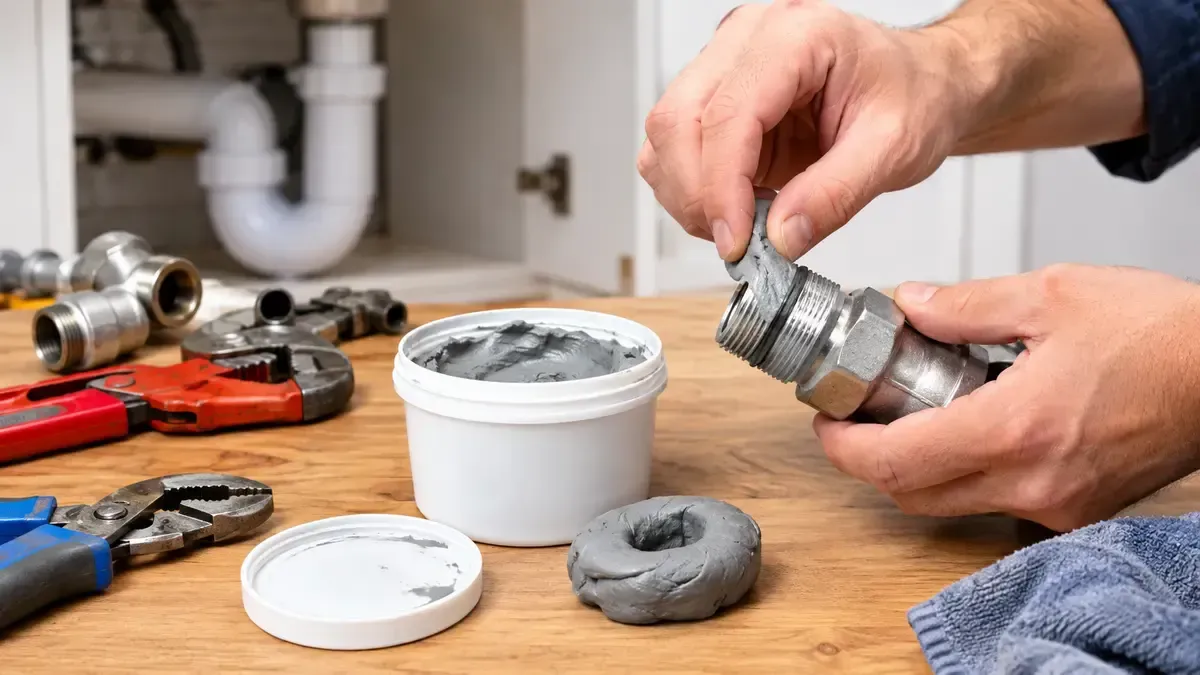
Lead pipes give three clear clues. They look a dull, dark grey. They feel soft, softer than copper or plastic. And their joints look rounded and swollen, not sharp and neat. Now try the coin test: scratch the surface gently with a coin. If a shiny silver mark shows through, the pipe is almost certainly lead. Lead supply pipes are often 15 to 22mm wide and turn up most in homes built before 1970. If you are still unsure, a quick look from
Assett Plumbing can confirm the material for you, so you never pay for work you may not need.
How Much Does It Cost to Replace Lead Pipes?
Here is the part everyone wants to know. For most homes, the cost of replacing lead pipes falls between £1,500 and £4,000 for the main supply pipe that runs from the street to your house. A short run inside the home, such as the pipe from the stop tap to the kitchen tap, costs far less, around £300 to £1,000.
A few things push the price up or down:
- Pipe length: Most supply pipes run 10 to 30 metres. A longer run needs more pipe and more labour, so a detached home with a long garden costs more than a small terrace.
- Digging method: An open trench is cheaper per metre but makes more mess. Tidy, trenchless "moling" is faster and cleaner, but it often adds 20–30% to the bill.
- Access: A pipe under an open lawn is easy to reach. A pipe under a driveway or patio costs more, because the team must lift and relay the surface.
- Making good: Putting back paths, drives, and grass is often a big slice of the total, so ask for it in writing.
- Location: London and the South East usually charge more for labour.
These are general UK figures. Every property is different, so the only way to learn your real price is a written quote for your own home.
Who Pays - You or the Water Company?
Your supply pipe splits into two parts at the edge of your property, and this decides who pays the bill.
The part that runs from the water main in the road to your boundary belongs to the water company. The part that runs from the boundary into your home, plus every pipe inside the house, belongs to you. So you normally pay for the pipe on your own land. Here is the good news: most water companies replace their own lead section for free, and they often do it at the same time as your work. That saves everyone a second dig. So call your water company before you book anything, because lining up both jobs together is almost always the cheapest route.
Are There Grants or Help With the Cost?
Yes, and it pays to check before you spend a penny of your own money. Several schemes can take a big chunk out of the cost.
Many water companies offer grants of around £500 to £2,000 toward a new supply pipe, and some replace it for free if you qualify. Your local council may add £1,000 to £3,000 through income-based schemes for lower earners. If someone in the home has a disability, a grant may cover the full cost once an assessment is done. One warning: these schemes move slowly and can take several months to process. That makes them perfect for a planned job but no help in an emergency, so apply early and keep your paperwork ready before you start.
How Does the Replacement Work?
The job is simpler than most people expect, and many homes are finished in about a day. Most firms now use trenchless moling, which keeps the mess to a minimum.
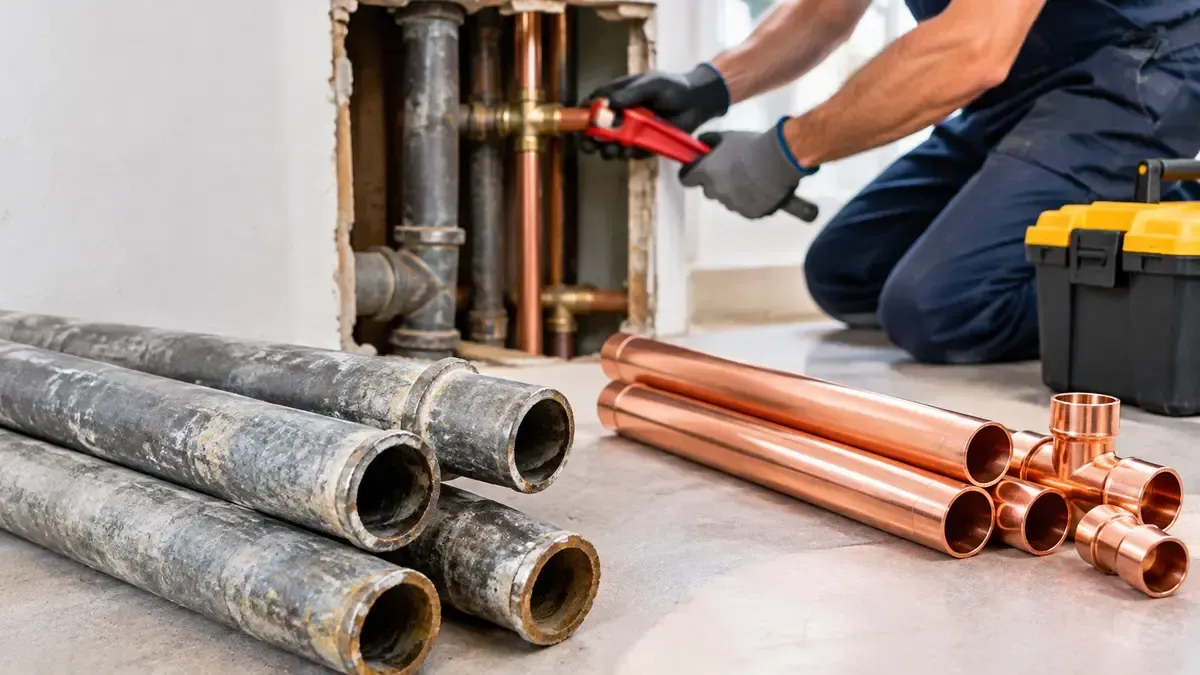
The work runs in a few clear steps. A plumber first inspects your pipework and plans the route from the street to your home. A small machine then bores an underground path, so there is no need for a long open trench across the garden. Next, the team pulls a new MDPE plastic pipe through that path, connects it, and runs a pressure test and a flush to make sure the water flows clean and safe. Finally, they fill in the two small access holes and tidy up. Before you book, always ask for a written quote so every cost is clear from the start.
The Benefits of New Pipes
Replacing old lead pipes improves water safety and quality while reducing the risk of leaks. Modern pipes offer a durable, reliable solution for your home.
- Safer Drinking Water: Removes the source of lead contamination.
- Better Water Quality: Improves water taste and quality.
- Fewer Leaks: Reduces the risk of costly repairs.
- Long-Lasting: MDPE pipes can last 50 years or more.
- Better Property Appeal: Makes your plumbing more attractive to buyers and tenants.
Lead Pipes in Rented Homes and Businesses
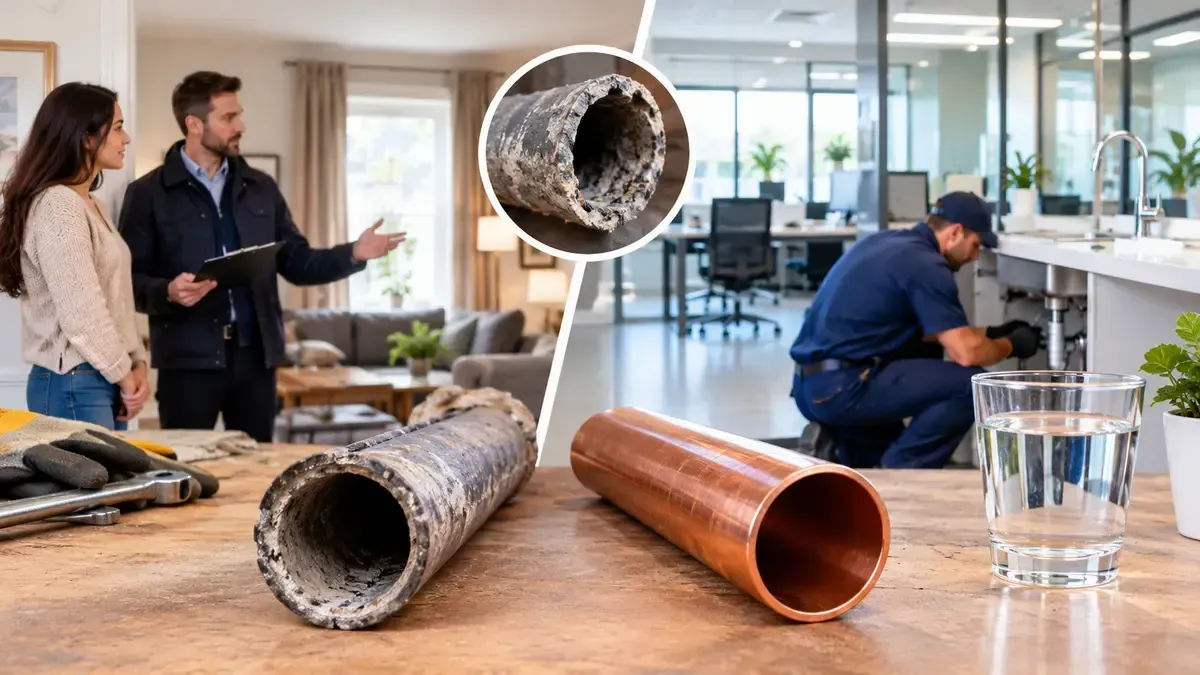
Lead pipes are not just a worry for private homeowners. If you rent out a property, you have a duty to give your tenants safe drinking water, so old lead pipes belong on your to-do list. Shops, offices, and other businesses carry the same duty for their staff and customers. The fix is the same in every case: take out the old lead service and fit modern, safe pipework. Acting early protects people and lets you plan the cost on your own timetable, instead of facing a sudden emergency later. Alongside essential plumbing maintenance, reliable boiler repair can also help keep rental properties safe and comfortable for tenants.
A Smart Tip: Watch for Shared Supply Pipes
One thing often catches people out. Some older streets share a single supply pipe between two or more houses. If yours is shared, you may need to replace it together with your neighbours rather than on your own.
This is not all bad news. When you share the work, you can share the cost too, which makes the job cheaper for everyone involved. The key is to agree who pays what before any digging starts, and to put that agreement in writing. A survey from a qualified plumber shows whether your pipe is shared or your own, so you know exactly where you stand before the quotes come in.
Conclusion
Replacing lead water pipes helps protect your family’s health and improves your home’s water quality. In the UK, replacing the main supply pipe typically costs between £1,500 and £4,000, depending on pipe length, access, and the replacement method. Before starting work, check with your water company and local council to see whether free replacement services or financial assistance are available.
Assett Plumbing provides free itemised written quotes with no call-out fee, helping you understand the costs before work begins. Whether you live in Northampton, Kettering, Corby, Wellingborough, Rushden, Thrapston, Huntingdon, St Neots, or Oundle, the team can inspect your pipework and offer practical guidance on replacing old lead pipes with a safer, modern water supply.
Frequently Asked Questions
Are lead pipes still legal?
They are legal in existing homes, but no one fits them in new plumbing any more. Replacing them is still the safest choice, especially in a home with young children.
How long does the work take?
Trenchless moling often takes about a day. A full open-trench job can take two to four days, depending on the length and the surfaces above the pipe.
Can I replace the pipe myself?
No. The work must meet UK water regulations and the water company needs to be told, so always use a qualified plumber to make sure the job passes inspection.
Will new pipes add value to my home?
They can. New plumbing removes a common survey flag and eases a worry for buyers, though the exact effect on price varies from home to home.
How long do new pipes last?
Modern MDPE plastic pipes usually last 50 years or more, so for most families it is a one-time job.
You might also like