What to Do in a Plumbing Emergency? Essential Tips for Homeowners
A plumbing emergency can happen without warning. A burst pipe, overflowing toilet, serious leak or flooding can quickly cause damage if it is not dealt with properly. Knowing what to do in the first few minutes can help limit the damage while you wait for professional plumber help.
In this guide, we cover some of the most common plumbing emergencies and the steps you can take to make the situation safer and prevent further damage.
What Counts as a Plumbing Emergency?
Not every plumbing problem needs immediate attention. A dripping tap, slow sink or single cold radiator can usually wait for a normal appointment. It becomes an emergency when it is causing damage, creating a safety risk or leaving your home without an essential service.
Common examples include:
- A burst pipe or leak that you cannot stop
- Water coming through a ceiling or running down a wall
- An overflowing toilet or a blocked toilet that is the only toilet in the home
- A drain backing up and bringing wastewater into the property
- A boiler leak or loss of heating or hot water during cold weather
- Water getting into sockets, light fittings or electrical appliances
- Flooding inside the home
If you smell gas, treat the situation differently. Do not use electrical switches or anything that could create a spark. Leave the property if it is safe to do so and call the National Gas Emergency Service on 0800 111 999. A suspected gas leak should be dealt with by the gas emergency service first.
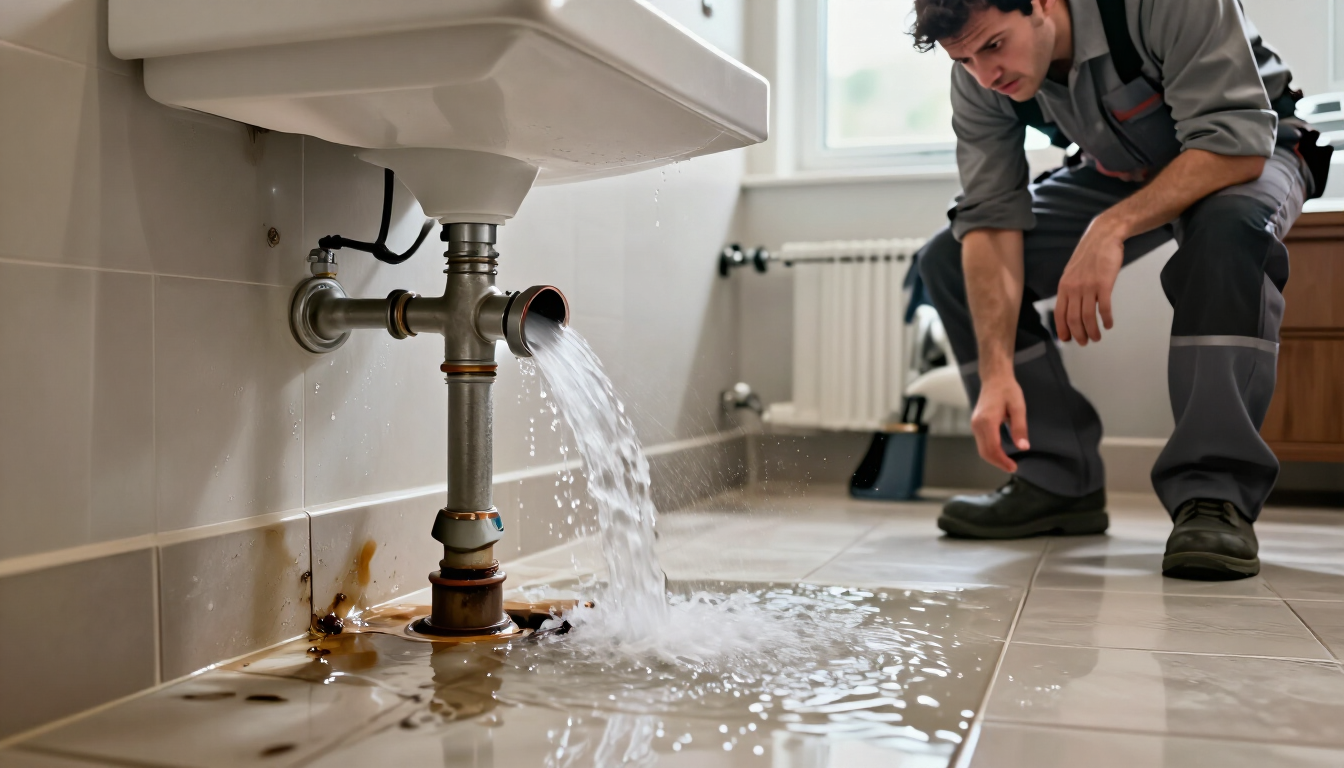
What to Do First in a Plumbing Emergency
Whatever the problem, a few simple steps can help reduce the risk of further damage while you wait for help.
1. Stop the source
Turn off the main water supply at the stopcock, or use the isolation valve closest to the affected fixture if you can reach it safely.
If you suspect a gas leak, do not try to repair it yourself. Leave the property and call the Gas Emergency Service.
2. Limit the damage
Use towels, buckets or old sheets to contain water. Move furniture, valuables and other belongings away from the affected area where it is safe to do so.
If water has reached electrical sockets, appliances or other electrical equipment, do not touch them. Leave the area and get professional help.
3. Avoid making the problem worse
Do not keep flushing an overflowing toilet. Avoid using strong chemical drain cleaners on a serious blockage, and do not force a stuck valve or fitting.
4. Get professional help when needed
If you cannot safely control the problem yourself, contact a qualified plumber. Explain what has happened and what you have already done. This can help the plumber understand the problem before arriving.
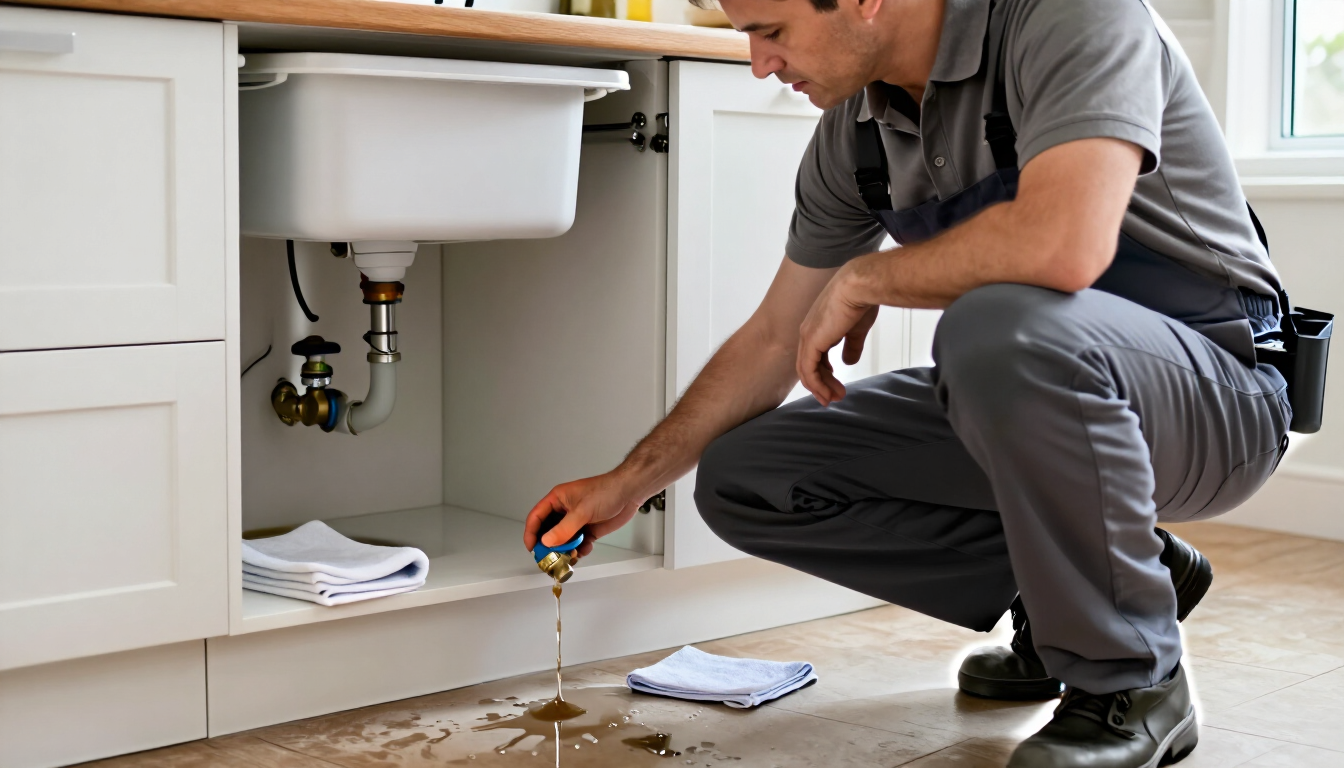
Common Plumbing Emergencies and What to Do
Burst Pipes
A burst pipe can release a large amount of water in a short time. It can damage floors, walls, ceilings and furniture if it is not dealt with quickly.
What to do:
- Turn off the main water supply as quickly as possible.
- Open nearby taps to help drain the remaining water from the system.
- Use towels and buckets to contain the water.
- Move furniture and valuables away from the affected area if it is safe to do so.
- If the leak cannot be stopped, contact a qualified plumber.
For more advice, read our burst pipe emergency guide.
Overflowing Toilet
An overflowing toilet can quickly spread dirty water and cause damage to floors and nearby fixtures.
What to do:
- Turn off the toilet's isolation valve if you can reach it safely.
- If the valve cannot be reached, lift the cistern lid and hold the float up to stop the refill.
- Do not flush the toilet again.
- For a simple blockage, try a plunger without forcing it.
If the toilet continues to overflow or the blockage cannot be cleared safely, you may need professional help.
Blocked Drains
A blocked drain can cause water to back up into sinks, baths or showers. A serious blockage can also result in wastewater entering the property.
What to do:
- Try using a plunger to loosen a simple blockage.
- Avoid strong chemical drain cleaners, particularly if the blockage is serious.
- Stop using water elsewhere if it is causing the affected drain to back up.
- Get professional help if the blockage does not clear or wastewater starts entering the property.
No Heating or Hot Water
Losing hot water can be inconvenient, while losing heating in cold weather can become a more serious problem.
What to do:
- Check that the boiler is switched on.
- Check for any obvious power or gas supply problems.
- Check the boiler display for a fault code and follow the manufacturer's instructions.
- Check the boiler pressure against the range shown in the manufacturer's instructions.
- In winter, check whether a frozen condensate pipe may be affecting the boiler.
If there is still no heating or hot water, arrange professional help.
For more information, read 6 Things to Consider If You Have No Hot Water.
Dripping or Leaking Taps and Pipes
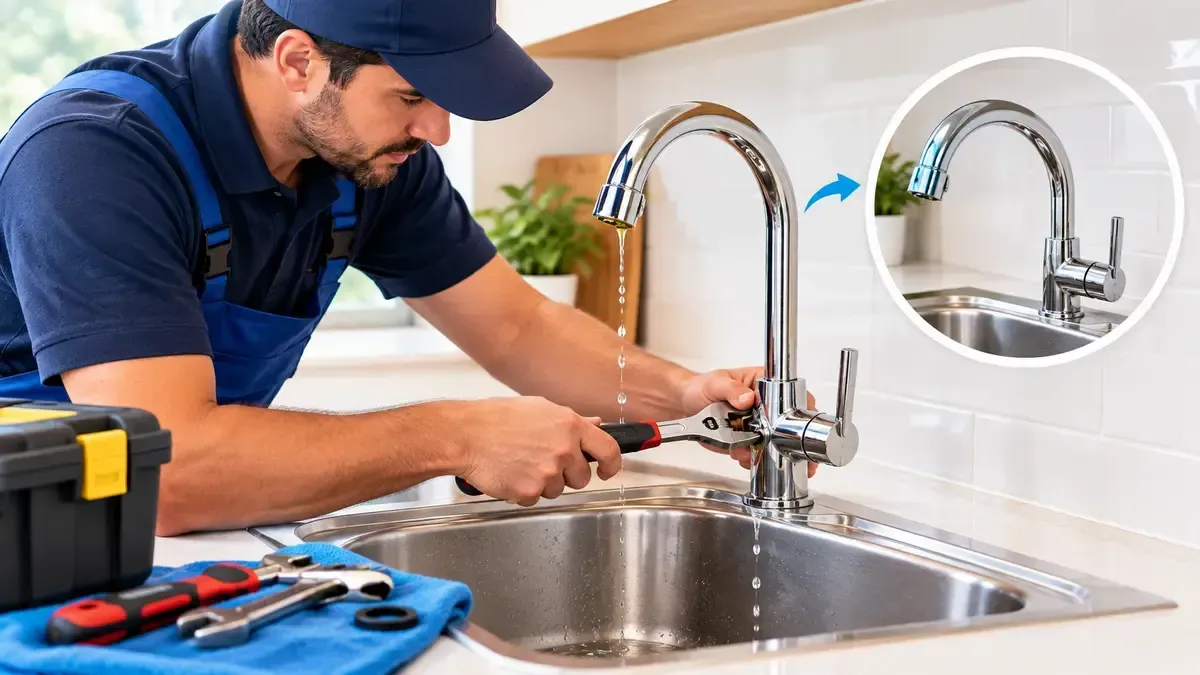
A dripping tap is usually not an emergency, but a leaking joint under a sink or a small pipe leak can cause hidden water damage if it continues.
What to do:
- Turn off the water supply to the affected tap or appliance if you can.
- Place a bucket or container under the leak.
- Carefully tighten a loose fitting if it is safe to do so, but do not overtighten it.
- If the leak continues, arrange a repair before it becomes a bigger problem.
For more information, see our guide on how to fix a leaking tap.
Gas Leaks: A Safety Emergency
A suspected gas leak needs a different response from other plumbing problems. Warning signs can include a strong smell of gas, a hissing sound near a gas appliance or pipe, or feeling dizzy, sick or unusually tired indoors.
What to do:
- Do not switch electrical lights or appliances on or off.
- Do not smoke or use a naked flame.
- Open doors and windows if you can do so safely while leaving.
- Leave the property.
- Call the National Gas Emergency Service on 0800 111 999, which is available 24 hours a day.
Once the immediate danger has been dealt with, a
Gas Safe registered engineer should inspect and repair the fault. Do not try to repair a suspected gas leak yourself.
How to Prevent Plumbing Emergencies
A few simple habits can reduce the chance of a small plumbing problem becoming a major one.
- Know where your stopcock is and check that it turns freely.
- Have your boiler serviced regularly to help find faults early.
- Deal with small leaks and slow drains before they become bigger problems.
- Insulate exposed pipework in areas such as lofts and garages to reduce the risk of frozen pipes.
- Avoid flushing wet wipes or pouring cooking fat and unsuitable waste down drains.
- If you are a landlord, keep up with the required gas safety checks.
Regular boiler servicing in Northampton can also help identify faults before they lead to a breakdown.
Need Help With a Plumbing Emergency?
Some plumbing problems need professional attention, especially burst pipes, serious leaks, flooding, overflowing toilets or problems that cannot be safely contained.
Assett Plumbing provides plumbing and heating services across Northamptonshire, including Northampton, Kettering, Wellingborough and Corby.
If you have an urgent plumbing problem that you cannot safely deal with yourself, you can contact our emergency plumbing team for help.
We aim to be with you within 60 minutes and do not charge a callout fee for emergency plumbing.
Frequently Asked Questions
What counts as a plumbing emergency?
A plumbing emergency is a problem that is actively causing damage, creating a safety risk or leaving you without an essential service. Examples include burst pipes, serious leaks, flooding, wastewater backups and overflowing toilets.
What should I do first in a plumbing emergency?
If it is safe to do so, turn off the water at the stopcock or the nearest isolation valve. Then try to contain any leaking water and move belongings away from the affected area. If you suspect a gas leak, leave the property and call the National Gas Emergency Service on 0800 111 999.
Is a dripping tap a plumbing emergency?
Usually not. A dripping tap can normally wait for a scheduled repair. However, a leak that is causing visible water damage or cannot be stopped may need more urgent attention.
When should I call a professional plumber?
Contact a professional when you cannot safely stop the leak or blockage, water is causing damage, wastewater is entering the property, or the problem is affecting an essential service such as heating or hot water.
How can I prevent plumbing emergencies?
Know where your stopcock is, deal with small leaks and slow drains early, keep exposed pipes insulated during cold weather, maintain your boiler and avoid putting unsuitable items or waste down drains.
You might also like