What Is a Combi Boiler and How Does It Work?
A combi boiler (short for combination boiler) is a single unit that heats both your central heating and your hot water on demand, without needing a separate hot water cylinder or a cold water tank in the loft. It is the most popular type of boiler in UK homes, mainly because it is compact, efficient and gives you hot water whenever you turn on a tap.
This guide explains exactly what a combi boiler is, how it works, its advantages and disadvantages, the different types, and whether one is right for your home.
What Is a Combi Boiler?
The name says it all: a combi, or combination, boiler combines two jobs in one wall-mounted unit - central heating and hot water. A traditional (regular) boiler heats water and stores it in a cylinder, usually with a cold water tank in the loft. A combi boiler does away with both: it heats water straight from the mains the moment you need it. That is why a combi boiler's meaning is often summed up as "heating and hot water from one compact box, with no tanks."
How Does a Combi Boiler Work?
A combi boiler does two things - it heats your radiators, and it heats your hot water - and it handles each one differently.
Heating your Home
For central heating, a combi works just like a conventional boiler. It burns gas (or oil/LPG) to heat water, and an internal circulating pump pushes that hot water around a closed loop through your radiators, which warm the air in each room. The same water circulates round and round, topped up by the system pressure shown on the boiler's gauge.
Hot Water When You Need It
Hot water is where a combi boiler differs from a traditional one. There is no stored hot water. Instead, when you turn on a hot tap, a diverter valve inside the boiler redirects the boiler's heat to a heat exchanger, and cold water from the mains flows through it and is heated instantly on its way to the tap. Because the water is heated on demand, you get effectively endless hot water - but only one strong flow at a time. Many combis also have a 'preheat' feature that keeps a little water warm so you wait less for hot water to arrive.

How Combi Boilers Provide Hot Water
The combi boiler will heat water when you need it. This is different from the traditional boiler which heats water and then stores it in a tank. Combi boilers will not have tanks, but provide you with the same level of hot water.
When you have a combi boiler, cold water from your water supply will run through the boiler when you turn on the hot water tap. This water is heated using coils within the boiler to make hot water. This heated water will then run to the tap.
It is important to note that you will need to wait a bit before the water coming from the tap turns hot. This is due to the fact that hot water will not be on hand and will take a while to produce.
How to Tell If You Have a Combi Boiler
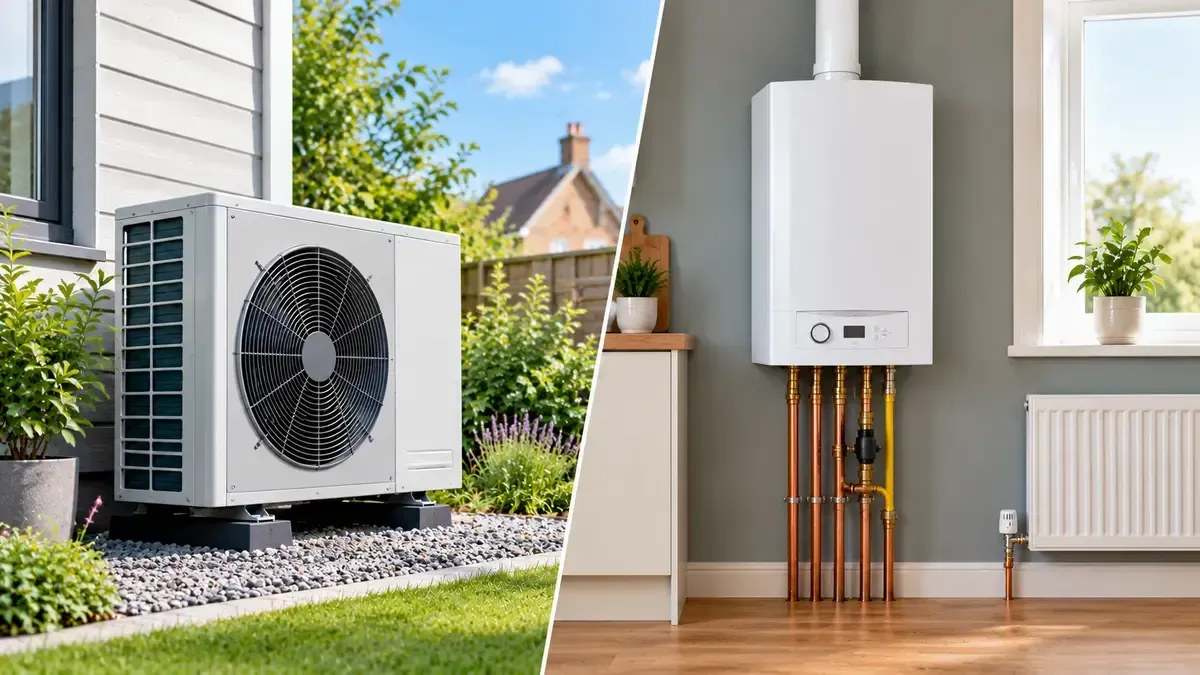
Not sure whether you already have one? The giveaway is what is missing. If you have a single wall-mounted boiler and no hot water cylinder in an airing cupboard and no cold water tank in the loft, you almost certainly have a combi boiler. A combi also has several pipes running from the bottom, including mains cold in and hot out, and a pressure gauge on the front.
Combi Boiler vs Traditional Boiler: What's the Difference?
| Feature | Combi Boiler | Traditional (Regular) Boiler |
|---|---|---|
| Hot water | Heated on demand, endless, one tap at a time | Stored in a cylinder, can run out |
| Cylinder / loft tank | Not needed | Needed (takes up space) |
| Mains pressure showers | Yes, usually without a pump | Often needs a pump |
| Multiple bathrooms at once | Struggles | Handles well |
| Install cost & time | Lower, quicker | Higher, more involved |
| Best for | Flats and smaller homes, 1 bathroom | Larger homes, several bathrooms |
Still weighing it up? Our guide to which boiler is best for your home compares combi, system and regular boilers by house size and budget.
Advantages of a Combi Boiler
If you need to choose between a traditional and combi boiler, you need to know what the benefits of this boiler are.
- Endless hot water on demand - it heats water as you need it, so you never run out waiting for a tank to reheat.
- Compact and space-saving - no cylinder or loft tank, so it frees up an airing cupboard and loft space.
- Cheaper and quicker to install - fewer parts and no tanks usually means a simpler job (get a fixed quote from your local plumber).
- Strong mains-pressure hot water - good showers without needing a separate pump in most homes.
- No standby heat loss - because no hot water sits in a tank slowly cooling, a combi wastes less energy.
Disadvantages of a Combi Boiler
- One strong flow at a time - run two hot taps or showers together and the flow and temperature drop.
- Relies on good mains pressure - in homes with weak incoming pressure, performance suffers.
- No backup hot water - if the boiler fails, there is no stored tank of hot water to fall back on.
- Not ideal for large homes - households with several bathrooms in use at once are usually better served by a system or regular boiler.
Is a Combi Boiler Right for Your Home?
A combi boiler is the best choice for flats and small-to-medium homes with one bathroom, where hot water demand is rarely simultaneous. If you have two or more bathrooms that get used at the same time, or poor mains pressure, a system or traditional boiler may suit you better. Sizing matters too; a boiler that is too powerful short-cycles and wastes gas, so always have a qualified engineer match the output to your home. Even a well-sized combi boiler can develop faults over time, especially if components wear out or the system isn't maintained properly.
If your boiler stops providing reliable heating or hot water, arranging a professional inspection can help identify the cause. For local assistance, homeowners can explore boiler repair in Kettering and find out what support is available for their heating system.

How to Use a Combi Boiler
Day to day, a combi boiler is simple to run. Set your room thermostat and timer/programmer to call for heat when you want it; hot water is instant whenever you open a tap, with no need to switch anything on in advance. Keep an eye on the pressure gauge - it should sit around 1 to 1.5 bar when cold, and can be topped up from the filling loop if it drops. If the boiler is losing pressure, cutting out or
making an unusual noise, have it checked before winter.
Homeowners needing professional boiler repair in Northampton can contact a qualified engineer to diagnose the fault and recommend the appropriate repair.
Types of Combi Boiler
Most combi boilers run on mains gas, but there are a few variations:
- Gas combi boilers - by far the most common, running on mains natural gas.
- LPG and oil combis - for homes off the gas grid.
- Electric combi boilers - no flue or gas supply needed, suited to smaller flats, though running costs are higher.
- Storage combis - a combi with a small internal store of hot water, which helps when more than one tap is used.
Final Thoughts
A combi boiler is a compact, efficient, all-in-one way to heat your home and your hot water, and it suits the majority of UK households. If you are choosing a new boiler or your current one is near the end of its life, Assett Plumbing can help you pick and fit the right unit. We supply and fit combi boilers across Northamptonshire, and service or repair them - see our boiler replacement and installation service, or read our guide to which boiler is best. If your existing boiler develops a fault, our local boiler repair services in Wellingborough are another option for homeowners looking for help with their heating and hot water.
Assett Plumbing fit combi boilers across Northamptonshire, and service or repair in Northampton, Kettering, Corby, Wellingborough, Rushden, Thrapston, Huntingdon, St Neots and Oundle.
Frequently Asked Questions
What does a combi boiler do?
A combi (combination) boiler does two jobs in one unit: it heats your central heating, and it heats your hot water on demand, without a separate hot water cylinder or cold water tank.
How does a combi boiler heat water?
When you open a hot tap, a diverter valve sends the boiler's heat to a heat exchanger, and cold mains water flows through it and is heated instantly on its way to the tap - so there is no stored hot water.
Is a combi boiler gas?
Most combi boilers run on mains natural gas, but LPG, oil and electric combi boilers are also available for homes off the gas grid.
Does a combi boiler have a pump?
Yes - a combi boiler has an internal circulating pump that moves hot water around your radiators. Hot water to the taps is driven by mains pressure, so a separate shower pump is usually not needed.
What is preheat on a combi boiler?
Preheat keeps a small amount of water warm inside the boiler so hot water reaches the tap faster. It trades a little standby energy for less waiting time.
Can a combi boiler run two taps at once?
Not strongly. A combi heats one flow of hot water at a time, so running two hot taps or showers together reduces the flow and temperature at each. Larger homes may prefer a system or regular boiler.
Combi boiler or hot water tank - which is better?
A combi (no tank) suits flats and smaller homes with one bathroom and saves space. A tank-based system or regular boiler suits larger homes where several outlets are used at once.
How do I know if I have a combi boiler?
If you have a single wall-mounted boiler and no hot water cylinder and no cold water tank in the loft, you have a combi boiler. It will also have a pressure gauge on the front.
Are combi boilers good?
For most UK homes, yes - they are compact, efficient, give endless on-demand hot water and are cheaper to install. They are less suited to large homes with multiple bathrooms used simultaneously.
Call Assett Plumbing today for combi boiler advice, fitting or emergency boiler repairs on 01604 372395.
You might also like