Be Alert for These Common Central Heating Problems
Common Central Heating Problems
We live in a world of constant technological innovation - and at least in the developed world, we have come to expect a level of comfort and convenience when it comes to both our lifestyle and our homes. For many consumers and homeowners, this has meant that
central heating has become a part of their lives, allowing them to enjoy year-round comfort and making life just that little bit easier.
However, as with all modern conveniences, problems do occur from time to time. This is normal - it's usually a result of simple wear and tear and sometimes is connected to inadequate maintenance or service. A
local plumber should be able to give you an idea of the
cost of a boiler service in Northampton for your particular make and model
Here are some of the most common issues that affect home central heating systems. These problems can lead to loss of efficiency, among other problems.
1. Loss of Even Heating
One of the most common problems as far as central heating is concerned is the inability of the system to distribute heat evenly throughout the home. The cause is usually a furnace problem that can be related to a number of issues such as dirty filters, mechanical issues or even an airlock.
2. Airlocks
In some instances, air pockets trapped in piping can cause issues with the circulation of hot water. The solution is to 'bleed radiators' and may require that the entire system be 'flushed'.
3. Cycling Problems
This problem is characterised by the continued cycling of the central heating system, i.e. turning on and off seemingly at random. Left unattended, it will quickly affect the temperature of the entire house. There are numerous reasons for the issue. It could be caused by inadequate water pressure, a valve that has not been opened or a thermostat malfunction.
4. Pilot Lights
If the pilot light will not stay lit then it is usually a problem with the gas supply. In cases like this, it is best to immediately contact the gas supplier. There may be an issue with the gas flow that can include damaged seals. This issue has the potential for disaster - it should be dealt with as soon as possible.
5. Thermostat Issues
If the temperature control in the household is erratic, it may be a sign that the thermostat has malfunctioned. The cause could be purely mechanical or electrical. Power supply problems can also affect thermostat performance. Alternatively, it could be a simple problem like difficulty in achieving the correct programming of the thermostat. Check with the manufacturer if the unit is still under warranty. They will be able to walk you through a solution to some of the more common problems.
6. Odd Noises
This is an issue that can be tremendously annoying. The noise can have many causes. Shuddering, pinging and what can only be described as 'clanging' is an indication that there may be a serious issue. The best way to stop these problems before they happen is to schedule regular maintenance. Ignoring them once they do happen can be expensive - the system can simply fail and end up becoming a
plumbing emergency and needing a costly repair.
There are companies that offer finance plans that will cover regular maintenance, which will allow the homeowner to avoid the costs associated with unscheduled or emergency repairs. This sort of approach takes the hassle out of planning and is a great solution for the busy homeowner.
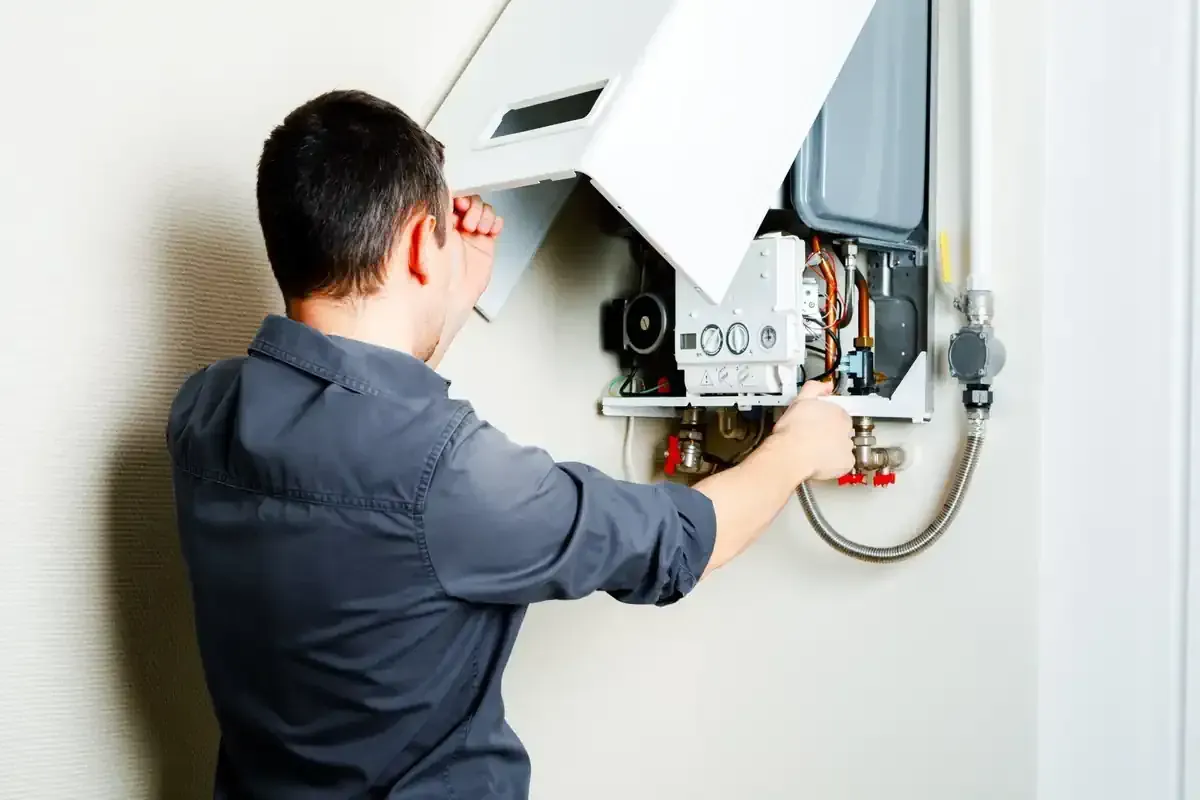
However, if you are having a problem with your central heating, it's best to call in a professional to sort it out as soon as possible. This is even more important when the system might be showing its age.
How to Prevent Central Heating Problems
Regular maintenance is the most reliable way to avoid breakdowns, especially before winter. An annual boiler service lets an engineer spot worn parts, check safety devices and keep the boiler running efficiently. We provide boiler servicing in Northampton, Kettering, Wellingborough and surrounding areas.
Other simple habits help too: check the boiler pressure monthly, bleed radiators at the start of the heating season, and consider a magnetic system filter to catch sludge before it spreads. Landlords should also keep up with their yearly gas safety certificate.
Frequently Asked Questions About Common Central Heating Problems
1. What are the most common central heating problems?
Common central heating problems include radiators that do not heat evenly, trapped air, low boiler pressure, leaking pipes, unusual noises, and boilers that repeatedly switch off. Identifying these warning signs early can help prevent further damage and restore efficient heating.
2. Why are my radiators not heating up properly?
Radiators may fail to heat properly because of trapped air, sludge build-up, a faulty radiator valve, or an imbalance in the heating system. If a radiator is cold at the top, trapped air may be responsible. If it is cold at the bottom, sludge could be restricting water circulation.
3. What causes low boiler pressure?
Low boiler pressure can occur because of a leak in the heating system, recent radiator bleeding, or a faulty component. Check the pressure gauge against the manufacturer's recommended range. If the pressure keeps dropping, arrange an inspection by a qualified heating engineer.
4. Why is my central heating making banging or gurgling noises?
Banging, gurgling, or whistling noises may indicate trapped air, restricted water flow, sludge build-up, or a problem with the pump or other components. Persistent or unusual noises should be investigated to identify the underlying cause.
5. Is a leaking radiator or central heating pipe an emergency?
A leak that is causing significant water damage, affecting electrical equipment, or rapidly losing water pressure needs urgent attention. If it is safe to do so, switch off the heating and isolate the water supply where appropriate. Avoid touching wet electrical equipment and contact a qualified plumber promptly.
6. Why does my boiler keep switching off?
A boiler may repeatedly switch off because of low pressure, a blocked condensate pipe, overheating, restricted water circulation, or a faulty component. Check the displayed error code and consult the boiler manual, but do not remove the boiler casing or attempt gas repairs yourself.
7. How can I prevent common central heating problems?
Arrange regular boiler servicing, monitor the system pressure, check radiators for cold spots, and investigate leaks or unusual noises early. Keeping the heating system properly maintained can help identify developing faults before they lead to a breakdown.
8. When should I call a heating engineer?
Contact a qualified heating engineer if your boiler repeatedly shuts down, pressure continually drops, radiators remain cold despite basic checks, or you notice persistent leaks or unusual noises. Gas-related work should only be carried out by a Gas Safe registered engineer in the UK.
Rather deal with a professional and sort the problem out before it becomes worse? Call Assett Plumbing today on
01604 372395.
You might also like