How to Fix a Leaking Tap: Common Causes, Warning Signs, and Easy Solutions
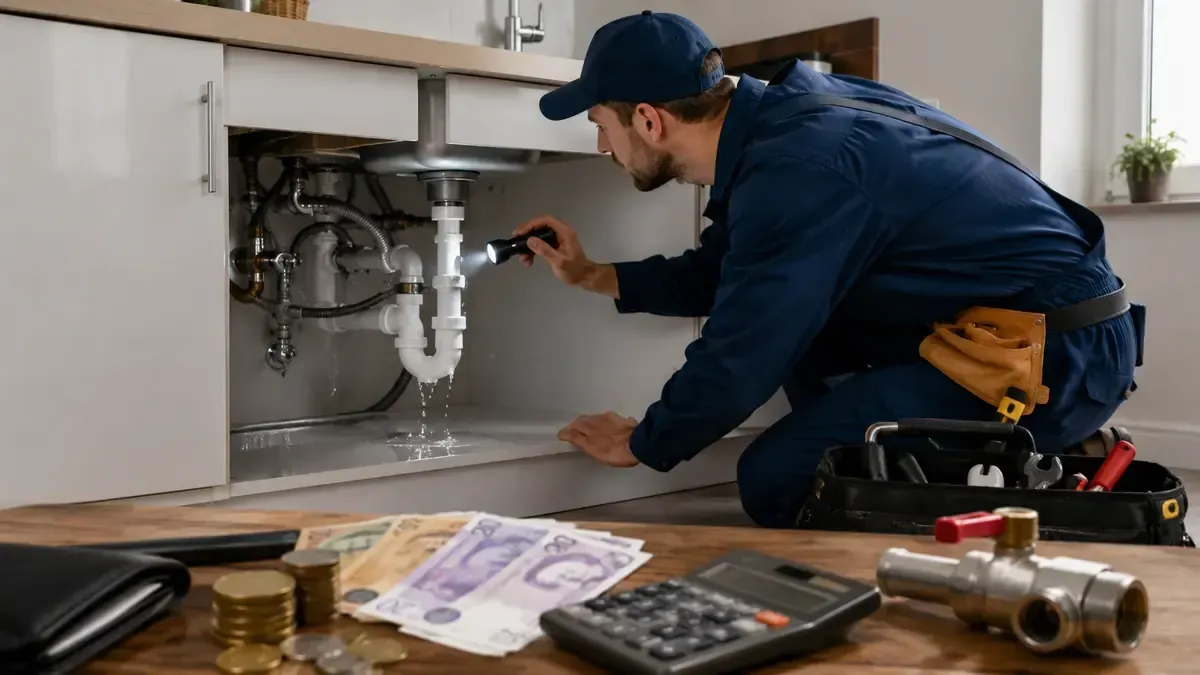
A leaking tap may seem like a minor issue, but the cause isn't always as simple as a worn-out washer or O-ring. Constant dripping can result from issues with internal components, limescale buildup, loose fittings, or broader plumbing problems. Rather than attempting repairs that could cause further damage, homeowners can rely on an experienced plumber to identify the source and provide the right solution.
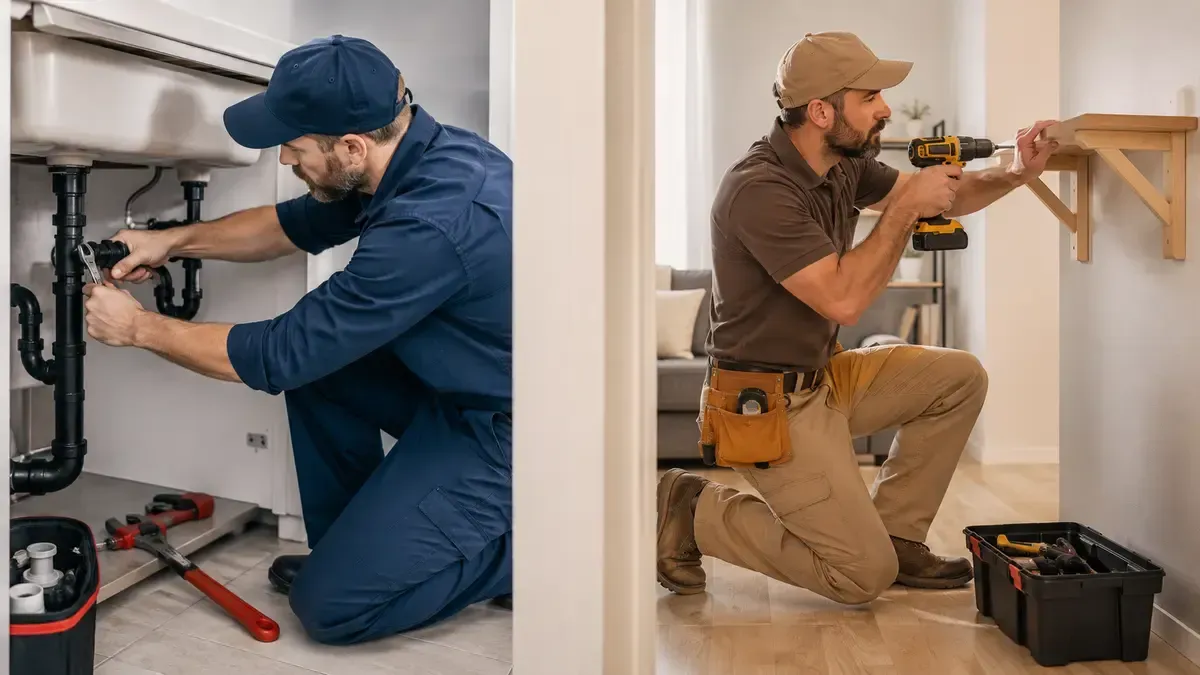
Asset Plumbing provides professional tap repair services across Northamptonshire. Our experienced engineers can inspect taps, identify underlying faults, replace damaged components, and check the surrounding plumbing for signs of further issues. If a leaking tap escalates into a sudden or severe plumbing problem, an emergency plumber can help resolve the issue quickly and minimize potential water damage.
If your tap continues to leak, becomes difficult to operate, or shows signs of corrosion or water damage, contacting a professional plumber can prevent a minor fault from escalating into a costly plumbing problem.
What Causes a Leaking Tap?
Before fixing any leak, it is important to understand why it is happening. A faucet consists of many small parts, and over time, these parts wear out. The most common reasons for a dripping faucet are as follows:
- Worn-out washers: A washer is a small component made of rubber or silicone that creates a tight seal when the faucet is turned off. Over the years, it can harden or wear down, causing water to drip. This is the most common cause, and it is inexpensive to fix.
- Damaged O-rings: O-rings are small rubber rings that prevent water from escaping. When they crack or become brittle, water begins to leak from the base of the handle. This problem is often found in older faucets.
- Corroded valve seats: The valve seat is the point where the faucet connects to the spout. In areas with hard water, mineral deposits can accumulate here and prevent the faucet from closing properly, resulting in a leak.
- High water pressure: Excessive water pressure places strain on faucet components. If your faucet drips only at specific times of the day, high water pressure could be the cause. If you notice other plumbing issues at the same time, an emergency plumber can inspect the system and determine whether the leak is due to water pressure or another internal problem.
- Loose parts: With use, the faucet handle, nut, and spout gradually become loose. Even slight movement or looseness can cause a leak. Often, simply tightening them resolves the issue.
Once you know the cause, carrying out the repair becomes much easier.
Warning Signs: Where Is the Leak Coming From?
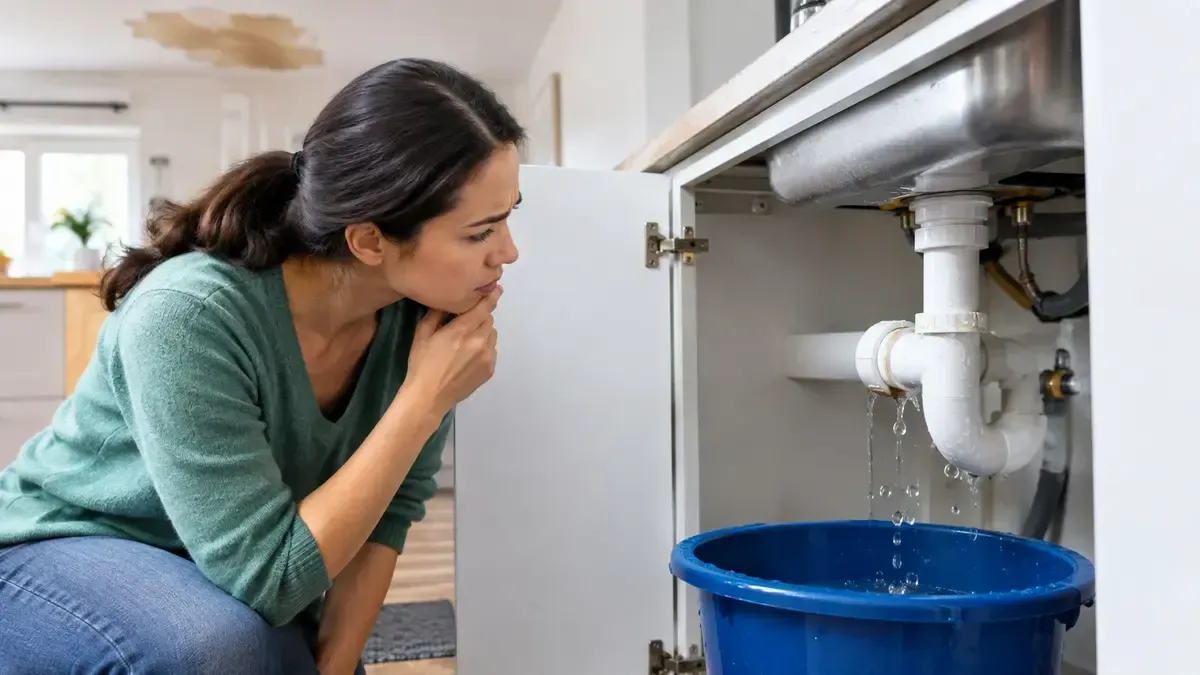
By observing where the water emerges, you can identify the faulty part. Wipe the tap completely dry with a cloth and then carefully watch to see where the water first appears.
- Water drips from the tap's spout. This is a common issue. In older two-handle taps, a worn-out washer is usually the cause. In modern mixer taps, a faulty cartridge is a common problem.
- Water accumulates at the base of the tap. If water collects beneath the tap, it is likely that the 'O-rings' sealing the spout have worn out.
- Water leaks from beneath the handle. A leak here indicates that the seal or 'O-ring' inside the handle has worn out.
It would also be worth checking whether this issue is part of a broader plumbing problem. For instance, if you notice unusual fluctuations in water pressure or other flow-related issues throughout the house, the cause might not be limited to just the tap. In some cases, power flushing can help remove sludge and debris from the central heating system. However, it is generally not the solution for a dripping tap.
This quick check saves time. Instead of dismantling the entire tap, you only need to open the specific part that requires repair.
Know Your Tap Type Before You Start
Not all taps work the same way, and the method for repairing yours depends on its type. There are two main types.
Compression taps are the traditional kind featuring separate handles for hot and cold water. You need to turn the handle one or more times to get a full flow of water. Inside, a rubber washer at the base of the valve creates a seal. When this washer wears out, the tap begins to drip. Here is a simple tip: the hot water valve usually has a red seal at the bottom and the cold water valve has a blue one, and they turn in opposite directions.
Ceramic disc taps are found in most modern mixer taps. You only need to turn the handle half a turn or less to get a full flow of water. Instead of a washer, they use two ceramic discs. Leaks occur when the discs get scratched or dirty, or when the seal wears out. These taps are durable, though they can be damaged by debris or grit in the water.
Knowing the type of tap you have helps you purchase the correct spare parts and avoids unnecessary, repeated trips to the store.
How to Fix a Leaking Tap Step by Step
Once you identify the cause of the leak and the type of faucet, you can stop the leak. First, gather the necessary tools. You will need an adjustable spanner, a screwdriver, replacement washers or O-rings, a cloth or towel, a bucket, and a flashlight for visibility in dark areas. Plumber's grease can also be useful. Then, follow the steps below.
- Turn off the water: Locate your stopcock and shut off the water supply. This prevents water from spilling while you work.
- Drain the faucet: Open the faucet fully to let out any remaining water in the pipes. Place a towel or bucket under the sink to catch dripping water and cover the sink drain so that small screws do not fall into it.
- Remove the handle:Unscrew the handle using a screwdriver. You may first need to remove a decorative cap covering the screw to access it.
- Check the washers and O-rings: Inspect them for cracks or signs of wear and tear. If any part has thinned out or is damaged, remove it and replace it with a new part of the same size.
- Clean the valve seat: Clean the valve seat using a cloth or a small brush. Mineral deposits can accumulate here, which may cause a leak even after installing a new washer.
- Reassemble the faucet: Put everything back together in the reverse order. Tighten the parts firmly, but do not overtighten, as this could damage the seal.
- Check your work:Turn the water back on and check for leaks. If the faucet is still dripping, the problem may require a more thorough inspection.
Do Not Forget to Check for Hidden Leaks
A dripping tap is easily spotted, but some leaks remain hidden and go unnoticed. Water can travel along the pipe and appear elsewhere, so it is essential to inspect the surrounding area. After repairing the tap, check the area beneath the basin and around the pipe connections for the following signs:
- Damp stains inside the cabinet under the sink
- Water pooling around pipe joints
- Rust or stains on the fittings
- A strong odor indicating slow, persistent dampness
If you notice any of these signs, take immediate action. Boiler servicing is also crucial for homeowners with central heating systems, as regular inspections allow issues such as leaks, pressure problems, and other faults to be identified before they escalate into serious and costly repairs.
If left unaddressed, a small, hidden leak can turn into a major and expensive plumbing problem.
Why Fixing a Dripping Tap Matters
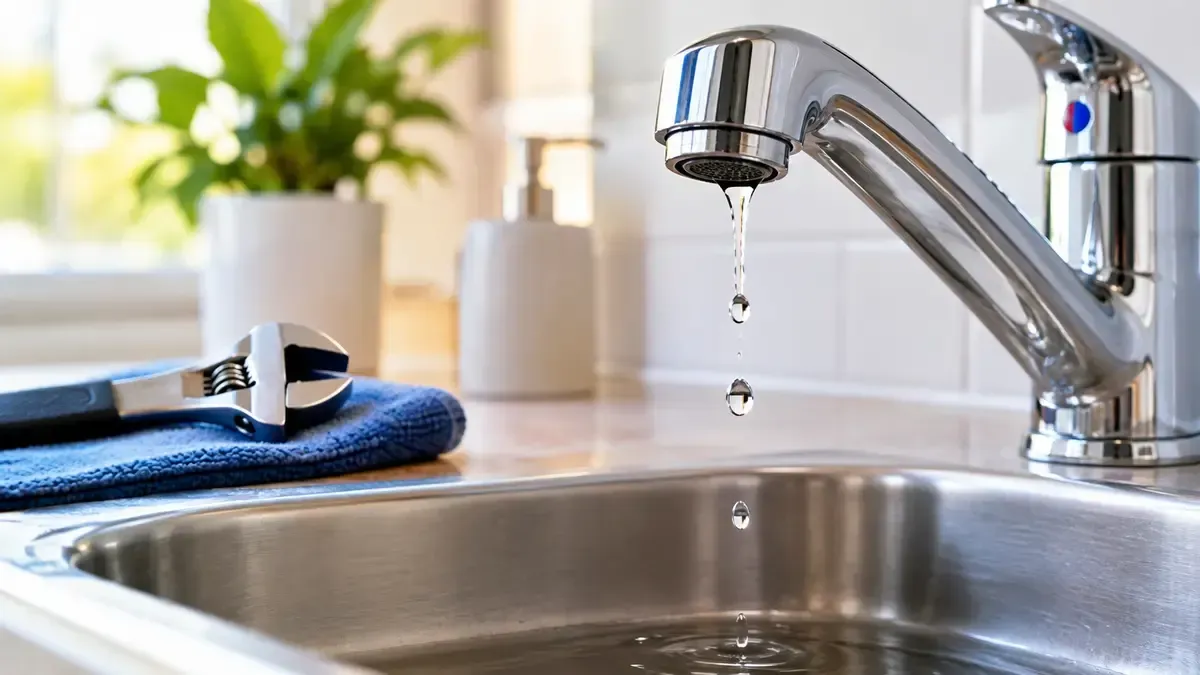
A dripping tap might seem like a minor issue, but it can cost you more than you realize. A tap that drips just once a second wastes over 3,000 liters of water annually. This water flows straight into the drain and drives up your water bill. Fixing the leak promptly not only saves money but also helps the environment, as fresh water is a finite resource.
There is another reason to act quickly: if a leak persists for months, it can lead to problems like dampness, rust, and corrosion in the pipes. Repairing these issues costs far more than simply replacing a washer. Spending just a few minutes on repairs today protects both your home and your finances in the long run.
An Extra Tip and When to Call a Professional
Here is a point that often goes unnoticed: if the tap continues to drip even after you have replaced the washer, the problem usually lies with the valve seat. This is the metal rim inside the tap against which the washer presses. Limescale buildup makes its surface rough, preventing the new washer from seating properly and stopping the flow of water. It can be smoothed out using a tool called a valve seat grinder or quickly repaired by a plumber.
Some jobs are best left to an expert. Put down the spanner and call a professional when you see these signs.
- The leak keeps coming back even after two or three repairs. A warped tap body may be the real cause.
- You see cracks or heavy corrosion on the tap body. This means the tap is no longer sound.
- A nut or valve will not move. Forcing a seized fitting is a common way to burst a pipe and cause a flood.
A trusted local plumber does more than swap a part. They check the whole system and make sure the fix lasts. Assett Plumbing, a family-owned team of Northamptonshire plumbers with over 30 years of experience, handles these trickier jobs and backs every repair with a 12-month guarantee.
Why Choose Assett Plumbing to Fix a Leaking Tap?
When a dripping tap becomes a serious problem, you need a plumber you can trust. Assett Plumbing is a family-owned team of plumbers based in Northamptonshire with over 30 years of experience. The team is accredited by Trading Standards, and every engineer undergoes a CRB check to ensure your home remains in safe hands. Assett Plumbing charges no call-out fee, provides a free written estimate before starting work. In an emergency, the team strives to reach you within one hour.
Assett Plumbing offers a full range of services from repairing dripping taps to installing complete central heating systems. The team serves areas including Northampton, Kettering, Wellingborough, Corby, Rushden, Thrapston, Oundle, Huntingdon, and St Neots.
Conclusion
A leaking tap is annoying, but the cause is usually simple. A worn washer, a tired O-ring, or a bit of limescale is often all that stands between you and a quiet, dry sink. Start by finding where the water comes from, learn your tap type, and work through the steps with care. Most repairs take less than half an hour and save you water, money, and stress. And when a leak refuses to stop, a reliable plumber like Assett Plumbing is only a phone call away, with no call-out fees and a fast local response.
Frequently Asked Questions
Why does my tap keep dripping?
Typically, a tap starts dripping when a small internal component wears out. Common causes include a worn-out washer, a damaged O-ring, a corroded valve seat, or excessive water pressure. Observing where the water is dripping from can help determine which part needs to be checked first.
Can I fix a dripping tap myself?
Yes, most leakage issues can be easily fixed at home. Replacing a washer or O-ring requires basic tools and takes less than 30 minutes. If the leak persists despite your efforts, it is best to call a plumber.
What tools do I need to fix a dripping tap?
You will need an adjustable spanner, a screwdriver, and replacement washers or O-rings. A cloth, a flashlight, and some plumber's grease can also be useful. Always turn off the main water supply before starting the work.
How much water is wasted by a dripping tap?
If a tap drips at a rate of one drop per second, over 3,000 liters of water are wasted in a year. Since such a large amount of clean water is lost and your utility bill increases, fixing the leak promptly is beneficial.
I fixed my tap, but it is still dripping. Why?
The most likely reason is a rough valve seat. Limescale buildup makes the seat uneven, preventing the new washer from sealing properly. Smoothing the seat or installing a correctly sized part usually resolves this issue.
You might also like