Burst Pipe Emergency: What to Do Before the Plumber Arrives
A burst pipe can cause serious water damage in minutes, so it’s important to act quickly. Start by turning off your home’s main water supply using the stopcock. If you can safely identify the affected pipe, also turn off the nearby isolation valve. Open nearby faucets to release trapped water and pressure, helping to reduce further leaks while you wait for professional help.
Next, keep your home and belongings as safe as possible. Move furniture, electronics, rugs, and other valuables away from the affected area, and place a bucket or towel under the active leak to collect the water. If water has reached electrical outlets, appliances, or wiring, avoid touching them, and only turn off the power if it’s safe to do so. Take clear photos and videos of the damage, as these can be useful when contacting your insurance provider.
Once the immediate hazards are under control, contact an emergency plumber to locate the source of the burst and make any necessary repairs. Avoid attempting complex repairs yourself, as this could worsen the damage or pose a safety risk. Acting quickly, documenting the damage, and seeking professional help can help limit repair costs and prevent additional problems such as damp, mold, and structural damage.
What Is a Burst Pipe?
A burst pipe is a piece of pipework that has cracked, split, or separated, causing water to leak out instead of flowing where it should. A pipe rarely fails without warning. It usually weakens slowly due to aging, corrosion, freezing temperatures, or too much pressure inside the system. Then, one day, it finally gives way, and the water rushes out.
Once a pipe bursts, water continues to leak out until you turn off the supply. That’s why speed is so important. A small leak can fill a room in minutes, and pipes hidden behind walls or under floors can cause damage before you know it.
Early Signs That Your Pipes are Headed for Trouble
- Pipes don’t always burst without warning. Often, your home will try to let you know something is wrong days or weeks before disaster strikes.
- Pay attention to a sudden drop in water pressure from your faucet or shower, as this could mean that water is leaking somewhere in the system.
- Listen for hissing, dripping, or gurgling sounds when every faucet in the house is turned off.
- Check your walls, ceiling, and floors for wet patches or discoloration, as these often point to a hidden leak.
- A pipe that is swollen or bulging is also a warning sign, as this means that the water inside has frozen and expanded, causing the pipe to be under severe stress.
- Frost or condensation on an exposed pipe is another sign that the water inside is close to freezing or has already frozen.
If you see any of these signs, don’t wait. Get an immediate inspection or call a plumber before a slow leak causes flooding.
Burst Pipe: What to Do Right Away
When you see a burst pipe, try to stay calm. Panic wastes valuable time. Follow these steps in order, and you will be able to significantly limit the damage before the emergency plumber nearby in your area arrives.
- Turn off the water supply: This is the single most important thing you can do. Find your stopcock and turn it clockwise until the water stops flowing. This shuts off the supply to your entire property and prevents the leak from getting worse.
- Flush the system with water: Once the water is turned off, turn on every cold tap in your house and flush the toilet. This clears out any water that is still inside the pipe, so that less of it can escape through the burst section.
- Turn off the heating: If the burst pipe is connected to your central heating or hot water system, turn it off. Then turn on the hot tap as well, so that the whole system can drain properly.
- Turn off the electricity, if necessary: Water and electricity should never be mixed safely. If the leak is near sockets, switches or your fuse box, turn off the main electricity before doing anything else.
- Protect your belongings: Move furniture, electronics and valuables away from the wet area. Place a bucket or bowl under the drip, and use a towel to absorb any standing water.
- Call a plumber: Once the threat is under control, call a trusted local plumber to fix the pipe properly.
Finding Your Stop Tap Location
If you don’t know where your stopcock is, you won’t be able to stop a burst pipe quickly, so it’s worth finding its location today before it becomes an emergency. Most homes have an internal stopcock, usually located inside a kitchen cupboard, under the stairs, in a downstairs toilet, or in a garage or utility room. It looks like a small tap or lever that sits between two lengths of pipe.
If you can’t find the internal stopcock, or it won’t turn, look for the external stopcock. This is often hidden outside your home, near your water meter, on the road or under a small cover on the sidewalk. On some older streets, especially in terraced houses that share a water supply, the external stopcock sits further away, near the end of the road.
Once you’ve found it, turn the valve clockwise, slowly and steadily, until it stops turning. It may take a minute or two for the water flow to completely stop. Show everyone in your household where this valve is, so that anyone can take quick action in the event of a leak if you are not home.
Also Read: Plumber vs Handyman: Who Should You Call for Home Repairs?
Try a Temporary Fix While You Wait
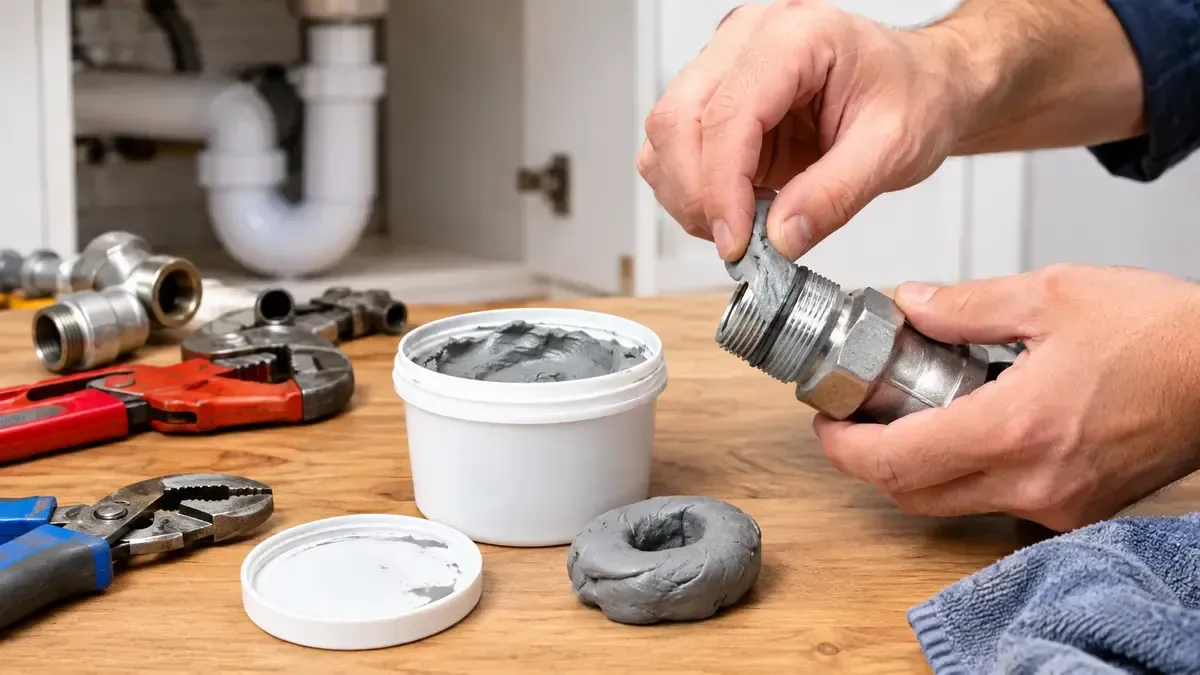
Permanent repairs always require a qualified plumber, but a few temporary tricks can slow the leak and save you time. Wrapping a piece of rubber sheeting or cloth tightly around the crack and securing it with a hose clamp or C-clamp can help stop minor leaks. Waterproof pipe repair tape works well on small cracks and is inexpensive to keep in your home toolbox. Epoxy putty is another easy option; you press it onto a small hole or crack, and it hardens in minutes to create a short-term seal.
Remember, these are just stopgap measures. They are not a substitute for proper repair, and you should still get a qualified plumber to inspect and repair the pipe as soon as possible.
Why Acting Fast Really Matters
It’s tempting to think that a small leak can last until morning, but a burst pipe rarely stays small for long. If left untreated, water can quickly damage floors, walls and furniture, and mold can start to grow in just a day or two. Water reaching sockets or wiring can actually pose an electrical hazard, while a long-term leak can weaken wood, plaster and insulation, causing structural problems that cost far more to fix than the original leak. The longer the water continues to flow, the bigger and more expensive the cleanup becomes, so every minute you save by acting quickly is a minute of damage you could have avoided.
Thawing a Frozen Pipe Safely
Sometimes a cracked pipe starts life as a frozen pipe. If you catch the pipe before it bursts, you can safely thaw it. First, make sure the stopcock is closed, as a frozen pipe can burst invisibly and spill as the ice melts. Then place a hot water bottle or a thick cloth soaked in hot water over the frozen section. Always start thawing at the end closest to the faucet and work your way back away from the faucet. Never use an open flame near the pipe, as this can further damage it or start a fire. If the pipe is already cracked, skip the thawing steps altogether and turn off the water supply immediately.
Document the Damage for Your Insurance Claim
Once the immediate threat has been averted, take a few minutes to protect your finances. Photograph and film the burst pipe, water damage and any affected items before you start cleaning. Record the date and time the problem was first noticed, as well as any steps you took to control it. Most UK buildings insurance policies cover damage caused by a burst pipe, often called a “water escape”, and some also help with the cost of finding and reaching hidden leaks, known as “trace and access”. However, policies vary, and cover for gradual wear and tear is often excluded, so it’s worth checking your paperwork carefully or asking your insurer directly. Good photos and clear notes make a burst pipe insurance claim much easier to process.
When to Call an Emergency Plumber
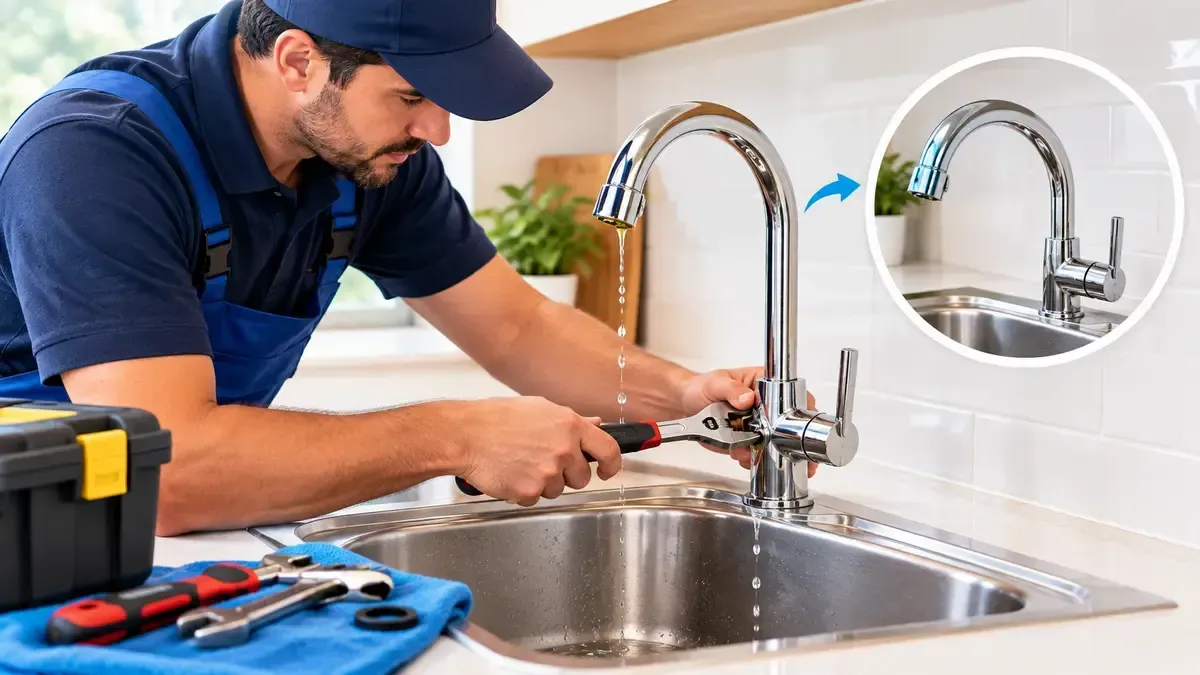
Not every drip requires an emergency call-out, but a burst pipe almost always does. If you can’t stop the water flow yourself, if water is reaching your walls, floors or electrical, or if the pipe has completely burst, call an emergency plumber immediately. A professional plumber can find the exact source of the leak, safely replace the damaged part, and check the rest of your plumbing for other weak spots you may have missed.
If you live in Northamptonshire, Assett Plumbing offers a fast, friendly emergency plumber service with no call-out fees and a team that aims to get to you within the hour. Whether the burst pipe is in Northampton, Kettering or Wellingborough, a quick call will get an experienced engineer to work on the problem while you focus on keeping your family and home safe.
Preventing Burst Pipes in the Future
Once the current emergency is resolved, a few simple habits can help you prevent it from happening again. Insulate exposed pipes in lofts, garages, and outdoor spaces with foam lagging, as these areas tend to freeze first in cold weather. Even when you’re outside, keep your home’s interior temperature on a low, steady setting so that the temperature inside your home never drops so low that pipes can freeze. Seal any gaps or drafts around pipework that runs through exterior walls, and leave faucets running slightly during extreme cold to keep water flowing through the system. Finally, make sure every adult in your household knows where the stopcock is, because in a real water leak emergency, that knowledge could save precious minutes.
Read More: Which Boiler Is Best In UK For Long-Term Savings?
Conclusion
A burst pipe may seem like a disaster at first, but a calm, quick response can make all the difference. Turn off the water at the stopcock, drain the system, protect yourself from electrical hazards, and move your belongings out of harm’s way. If you’re confident, try a temporary repair, take photos of the damage for your insurance claim, and call a trusted emergency plumber from Assett Plumbing to get the job done right. With the right steps, what may seem like a flood today could just be a story you’ll tell later, not a permanent problem for your home.
Frequently Asked Questions
What is the first thing to do when a pipe bursts?
Immediately turn off the water at your main stopcock. This stops more water from flowing into the damaged pipe and is the single most effective way to limit the damage.
How can I stop a burst pipe without a plumber?
Turn off the stopcock, drain the water from the faucet to empty the system, and apply a temporary fix such as pipe tape, rubber clamps, or epoxy putty. These steps will slow the damage until a professional plumber arrives.
Where is a stopcock usually located?
Most homes have an internal stopcock under the kitchen sink, in a closet, under the stairs, or in a utility room. If you can't find one, check for an external stopcock under a cover near your front path or water meter.
Do I need an emergency plumber for a burst pipe?
Yes, in most cases. While you can deal with an immediate flood yourself, a burst pipe needs to be properly repaired by a qualified plumber to prevent it from happening again and to protect your plumbing system.
Will my insurance cover a burst pipe?
Most UK building insurance policies cover damage to a burst pipe under “water damage”, although the details of the cover vary. Take photos of the damage and contact your insurer as soon as possible to start your claim.
Can a burst pipe cause long-term damage?
Yes. Water that reaches walls, floors or foundations can cause persistent damp, mould and structural problems if it is not removed and repaired quickly.
You might also like