Plumber vs Handyman: Who Should You Call for Home Repairs?
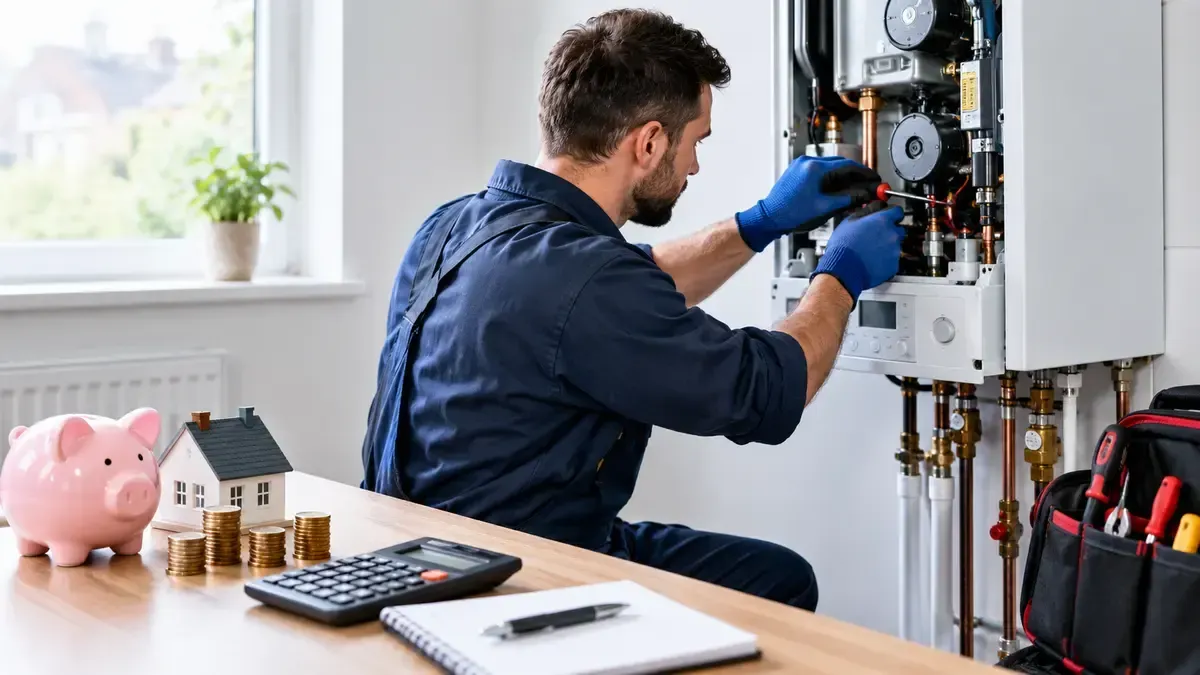
When a minor plumbing problem appears, it can be tempting to call a handyman because they handle many types of household repairs. However, plumbing systems often require specialist knowledge, the right tools and experience to properly diagnose and fix the problem. A plumber is a good option for problems with pipes, water leaks, blocked drains, toilets, radiators, boilers and other water-related systems. If the water is leaking heavily or a pipe has suddenly burst, contacting an emergency plumber immediately can help reduce the risk of serious water damage.
Handymen can be useful for general home maintenance, such as putting up shelves, repairing small fixtures, assembling furniture or performing simple non-specialist tasks. But when the problem is with your home’s plumbing system, choosing a qualified plumber is usually the safer option. Trying to solve a plumbing problem without the proper knowledge can sometimes make the problem worse and lead to more expensive repairs later.
This guide explains the real difference between a plumber and a handyman, so you always know when to call a plumber and when a handyman is enough.
What Is a Handyman?
A handyman is someone who does a lot of small jobs around the home. They don't focus on just one occupation. Instead, they handle a mix of tasks that require general skills and common tools.
Handymen typically help with jobs like:
- Fitting cabinets or shelves
- Hanging curtains, blinds, mirrors or pictures
- Assembling flat-pack furniture
- Sealing gaps around doors and windows
- Fitting a new shower screen
- Replacing a toilet seat
- Mounting a TV on a wall
There is no single qualification that makes someone a "handyman". Most handymen learn their skills through years of practical work, not formal training. This means that their experience can vary greatly from one person to another. Before booking, always check that they have done the specific type of work you need before. A good handyman who has fixed dozens of shower screens is a safe bet. Someone who has never touched plumbing before is not.
What Is a Plumber?
A plumber is a trained and licensed tradesman. They only work with water systems, pipework, drainage and central heating. Because plumbing affects the water supply and safety of your home, a plumber must study, train and pass the appropriate qualifications before working on your property.
A plumber handles jobs such as:
- Fitting or replacing pipework
- Installing or repairing toilets, showers and bathtubs
- Fixing leaks hidden in walls or under floors
- Repairing or replacing boilers and water heaters
- Installing plumbing in an entire bathroom or kitchen
- Emergency jobs such as burst pipes
Where handymen are generalists, plumbers are specialists. This distinction is very important when a job becomes technical or involves the water and gas lines in your home.
Do I Need a Plumber or Handyman? Know the Difference First
The easiest way to decide is to look at how complex and risky the job is.
Call a handyman:
- Fitting a new tap that has a simple, direct connection
- Fixing a small leak under the sink
- Replacing a tap washer
- Fitting a new shower head
- Clearing a simple drain clog
- Connecting appliances that only require a basic hook-up
Call a plumber:
- Installing or replacing pipework
- Fixing a leak in a wall or under the floor
- Fitting or repairing a boiler or water heater
- Replacing a toilet, shower or bathtub as part of a complete installation
- Any complete bathroom or kitchen renovation
- Emergency situations, such as a burst pipe or a main leak
If your bathroom needs a complete refit, you almost always need a qualified plumber, as this work involves connecting to your home’s water supply and drainage system. Handymen can still help with parts of the job, such as tiling or fitting accessories, but the main plumbing work should go to a professional. This is exactly the kind of work that Assett Plumbing does every week.
How Much Does It Cost: Handyman vs Plumber?
Handyman rates typically range from £30 to £100 per hour, depending on where you live and how experienced the handyman is. If you have a lot of small jobs, it’s often cheaper to book one handyman for a few hours or a whole day than to call in different specialists for each task.
Plumber rates typically include years of training, proper licensing and access to good quality parts per hour. Reliable plumbers like the team at Assett Plumbing usually work with trusted suppliers to ensure that parts that have the right manufacturer’s warranty are fitted. This means that the fix is built to last, not just for the moment.
So while a handyman may look cheap on paper, a plumber will often save you money in the long run for jobs involving pipework, hot water systems or drainage. Cheap short-term fixes can turn into expensive repairs if the original problem is never properly addressed.
The Real Benefits of Hiring a Handyman
A handyman isn’t just a “cheap plumber.” He brings his own set of real benefits to the right type of job.
- Saves time and money on multiple small jobs: One visit can cover multiple odd jobs at once, so you don’t have to pay separate call-out fees.
- Wide range of skills: A handyman can move between painting, carpentry, and minor repairs in a single day.
- Convenience: You don’t have to research and book different tradesmen for every small job on your list.
- Quick turnaround for simple tasks: Small, non-technical repairs can be fixed quickly without having to wait to schedule an appointment with a specialist.
These benefits make a handyman a smart choice for general maintenance. But they only apply to jobs that don’t seriously affect your water supply, gas lines, or drainage system.
A Real Example: When Even a Small Fix Needs a Second Look
Many homeowners face a common situation, a shower head holder breaks, and they don’t know who to call. In such cases, a handyman or plumber can usually help, and a handyman is often a cheaper option for replacing a simple part.
But there’s one helpful tip that applies to almost any small plumbing job. Always take a clear photo of the broken part before calling anyone. This helps the repairman identify the exact part needed and gives you a more accurate quote before they arrive. It also saves you from having to buy the wrong replacement part yourself.
This example shows the big picture. Many small plumbing repairs sit in a gray area where both professions can help. The real question isn’t just “who’s cheaper,” but “who can guarantee the repair will last.”
Advanced Tips: How to Choose the Right Trader Every Time
- Ask what the problem is, not just what needs to be fixed: A dripping tap may simply need a new washer, or it could point to a bigger pressure problem in your pipework. If you’re not sure, it’s worth contacting a licensed plumber quickly for advice.
- Check for gas involvement: Any work involving gas or a boiler should go to a certified professional. This is not optional and is a legal requirement in most areas.
- Combine small jobs together: If you have a list of small repairs, book a handyman for a single visit rather than calling one at a time.
- Get a second opinion for hidden leaks: If water is showing up in an odd place, like a ceiling stain or a damp patch on a wall, always call a plumber. Hidden leaks are exactly the kind of job that requires the right diagnostic tools, not guesswork.
- Read reviews before booking any trade: Whether you're hiring a handyman or a plumber, checking out real customer reviews can help you avoid rushed or low-quality work.
Conclusion
Choosing between a plumber and a handyman is based on a simple rule: small, non-technical repairs are best suited to a handyman, while anything involving pipework, gas, hidden leaks or a full installation requires a qualified plumber. Choosing the right plumber the first time saves you money, avoids repeated repairs and keeps your home safe.
If you’re ever unsure, it’s always safer to ask a professional than to guess. Teams like Assett Plumbing are happy to point you in the right direction, even with a quick phone call, before booking the wrong tradesman for the job.
Whether you’re in Northampton, Kettering, Corby, Wellingborough, Rushden, Thrapston, Huntingdon, St Neots or Oundle, when you have a plumbing problem, contact trusted local plumbers Asset Plumbing. From leaking taps and blocked drains to burst pipes, boiler problems and major plumbing repairs, the help of the right professional can help keep your home safe.
Frequently Asked Questions
1. Do I need a plumber or handyman for a leaking faucet?
Usually, a simple drip from a worn-out washer is a good fit for a handyman. But if the leak is recurring or you notice water damage nearby, call a plumber to check for a hidden problem.
2. When to call a plumber instead of a handyman?
Call a plumber for any work related to pipework, boilers, gas lines, hidden leaks, or a complete bathroom or kitchen installation.
3. Can a handyman do plumbing repairs?
Yes, for small jobs like replacing a faucet washer or unclogging a simple drain. However, a handyman will not do gas work or major pipe repairs.
4. What is the real difference between a qualified plumber and a regular handyman?
Plumbers are licensed and trained specifically in water systems, drainage, and heating. A handyman is a general repair specialist who does not require any specific qualifications.
5. Are handymen always cheaper than plumbers?
Not always. A handyman may charge less per hour, but if the job requires the skills of a plumber, faulty repairs can be more expensive in the long run.
6. Who should I call for a new boiler installation?
Always call a licensed, gas-safe registered plumber. This work should be done by a legally certified professional, never by a general handyman.
You might also like