Low Water Pressure at Home: 7 Causes and What to Do About Each
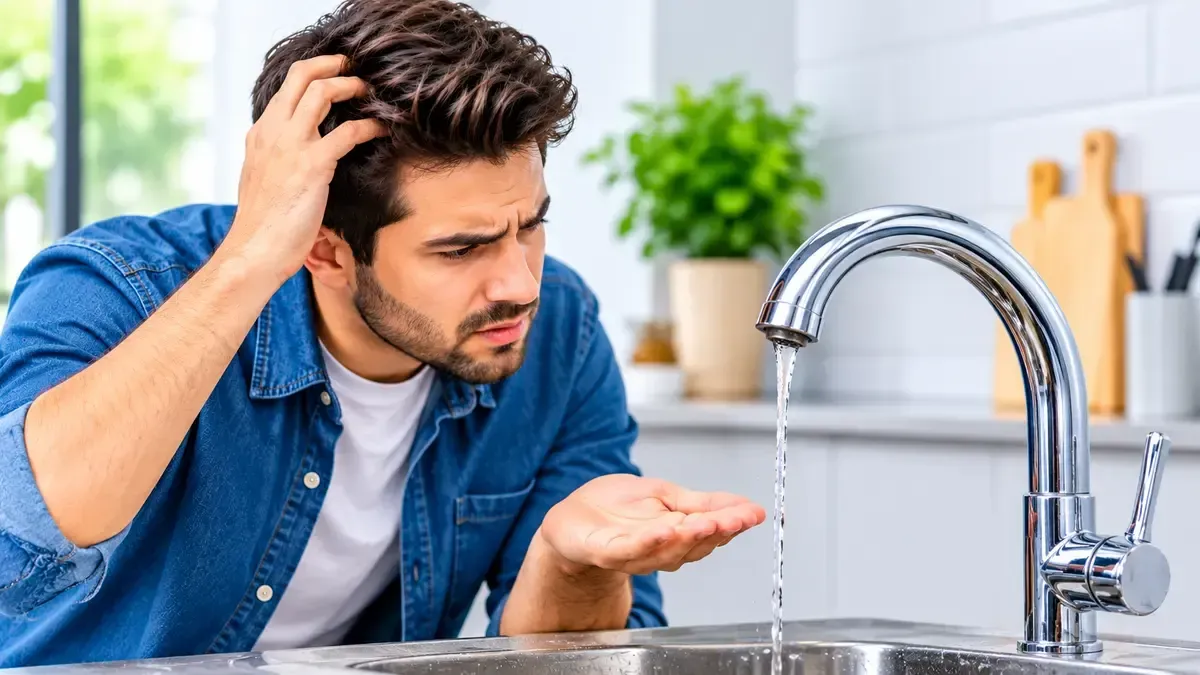
Have you noticed that your shower takes longer to rinse off shampoo or your kitchen tap produces only a weak trickle? Low water pressure can make everyday household tasks frustrating and may indicate an underlying plumbing problem. If you are wondering why your water pressure is low, the cause could be something as simple as a partially closed stopcock or a limescale-blocked showerhead.
However, hidden leaks, corroded pipes, faulty pressure valves, and problems with the mains supply can also reduce water flow. The first step is to check whether the problem affects every tap or just one fixture, as this helps narrow down the cause.
In this guide, we explain seven common causes of low water pressure at home, how to identify each problem, and what you can do to restore a steady water flow.
How Do You Check Your Water Pressure?
You can check your water pressure at home in a few minutes. Turn off every tap and water-using appliance, then note the reading on your water meter. Run an outdoor tap for 60 seconds, turn it off, and read the meter again. The difference tells you roughly how many litres flow each minute.
This test is only a guide, because the length and layout of your pipes affect the result. For an exact reading, a plumber fits a pressure gauge to an outside tap.
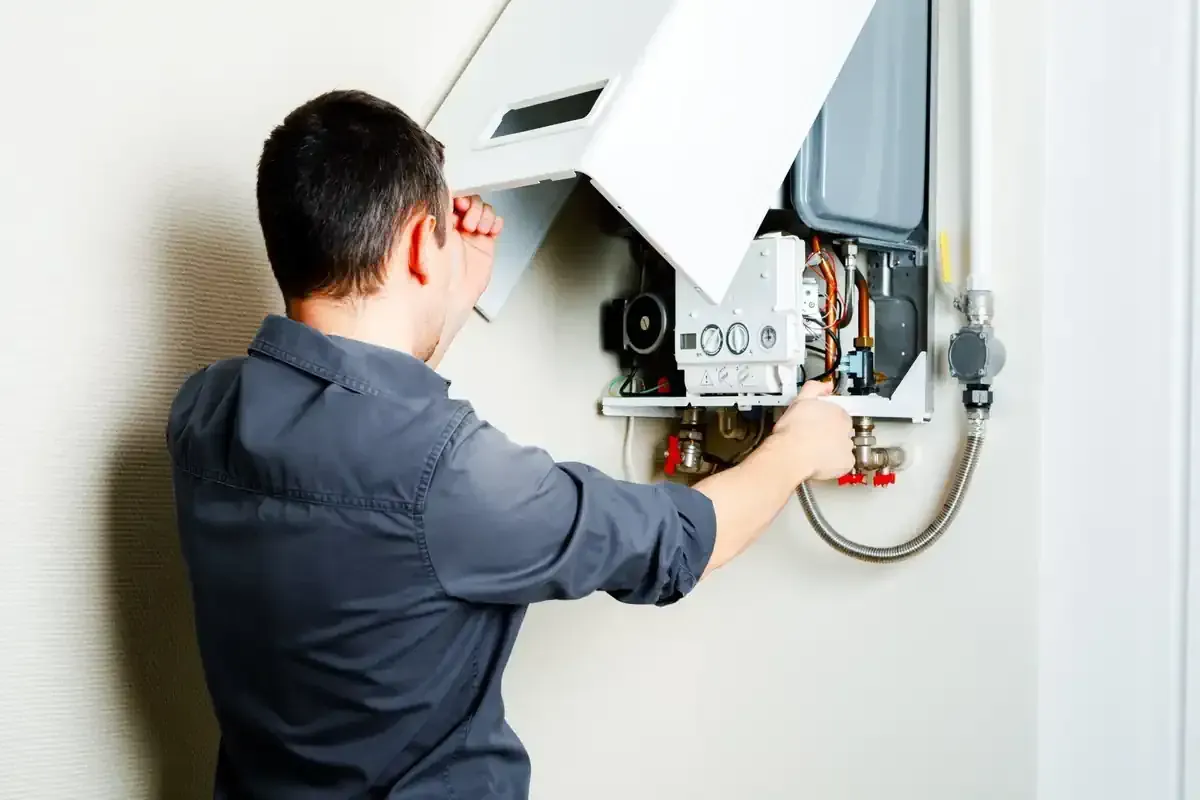
If you notice a sudden drop in pressure along with signs of a hidden leak or burst pipe, you may need an emergency plumber to inspect the problem and prevent further water damage.
The 7 Causes of Low Water Pressure
1. A Stopcock That Isn't Fully Open
Your home has a stopcock valve that controls the water coming in from the mains. The inside one usually sits under the kitchen sink. If someone turns it part of the way off, perhaps after repair work, your whole house gets less water.
- What to do: find your internal stopcock and check it is turned fully on. Turn it gently and never force it, because old valves can snap. If the flow improves, you have found your answer. If it is already open and pressure is still low, move on.
2. Limescale Clogging Your Taps and Showerheads
In hard water areas, minerals slowly build up inside taps and showerheads. This limescale blocks the tiny holes water passes through, so the flow drops. It is a common reason a single shower feels weak while the rest of the house is fine.
- What to do: unscrew the aerator or take off the showerhead. Soak it in a mix of white vinegar and water for a few hours to dissolve the scale, then rinse it and refit it. Cleaning these parts now and then keeps the flow strong.
3. A Faulty Pressure Reducing Valve
Many homes have a pressure reducing valve. It keeps incoming pressure at a safe level so it does not damage your pipes. When the valve fails, it can push pressure too low across the whole home, often quite suddenly.
- What to do: fit a pressure gauge to an outdoor tap near the valve. If the reading sits far below normal, the valve may be worn out. Replacing or adjusting one is fiddly and risky, so leave it to a qualified plumber.
4. A Hidden Leak
Even a small leak steals water before it reaches your taps, which drags your pressure down. Leaks often hide under floors, inside walls, or underground, so you may not see any water.
- What to do: watch for warning signs such as damp patches on walls or floors, the sound of running water when every tap is off, or a water bill that jumps for no clear reason. A simple test helps too: turn everything off and check your meter. If the numbers keep moving, water is escaping somewhere. Call a plumber quickly, because leaks only get worse and can damage your home.
5. Old or Corroded Pipes
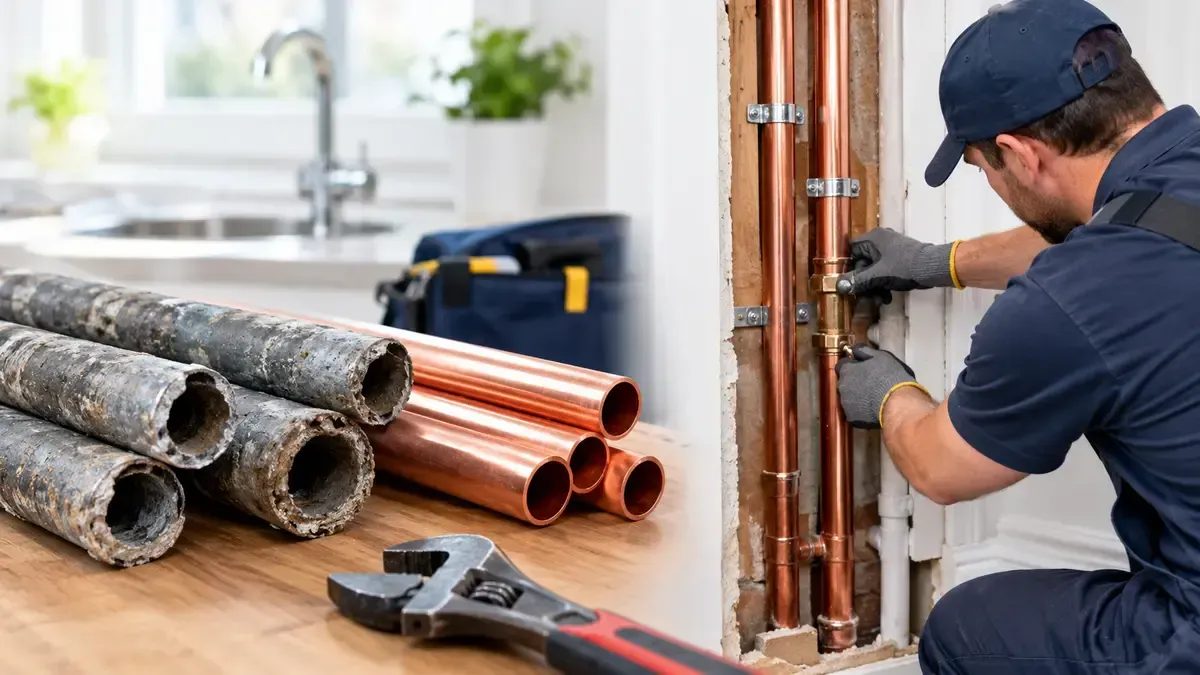
Pipes do not last forever. Older metal pipes, especially galvanised steel, rust and fur up on the inside over the years. This narrows the pipe and chokes the flow, and it usually affects the whole house at once.
- What to do: if your home is old and the pressure has dropped slowly, aged pipework may be to blame. You cannot see this damage from outside, so a plumber needs to inspect it and replace the worst sections with modern pipe. The team at Assett Plumbing can check your pipework and tell you what needs doing.
Also Read: Things to Consider If You Have No Hot Water? Common Causes and How to Fix It
6. Too Many Taps Running at Once
Your pipes can only carry so much water at a time. When the washing machine, the dishwasher, and a shower all run together, the pressure at each one drops, which is why your shower goes weak the moment someone flushes a toilet. In some cases, restricted or sludge-filled pipework may also need professional cleaning, such as power flushing, to improve water circulation.
- What to do: try spacing out water-heavy jobs instead of running them together. If pressure still falls badly during normal use, your pipes may be too narrow, and a plumber can check whether wider pipework would help.
7. A Problem With the Water Supply
Sometimes the fault is not in your home at all. Burst mains, repair work, or heavy use across your street can all lower the pressure coming in.
- What to do: ask a neighbour whether their water is weak too. If it is, the cause is outside your home. Contact your water company to report it and ask when it will be fixed. By law, your supplier must deliver a minimum pressure, so chase them if the problem drags on.
Low Pressure in Only the Hot Taps?
If your cold water is fine but your hot water is weak, the cause is usually your hot water system, not the mains. Over time, sediment settles at the bottom of a hot water cylinder and blocks the flow. This explains low hot water pressure when your cold taps still run strong, since hot and cold water follow different paths.
First check that the valve on the hot water side is fully open and clean any scaled-up showerheads. If the hot flow is still poor, the cylinder may need flushing or servicing by a Gas Safe registered engineer.
When a Water Pressure Booster Pump Helps
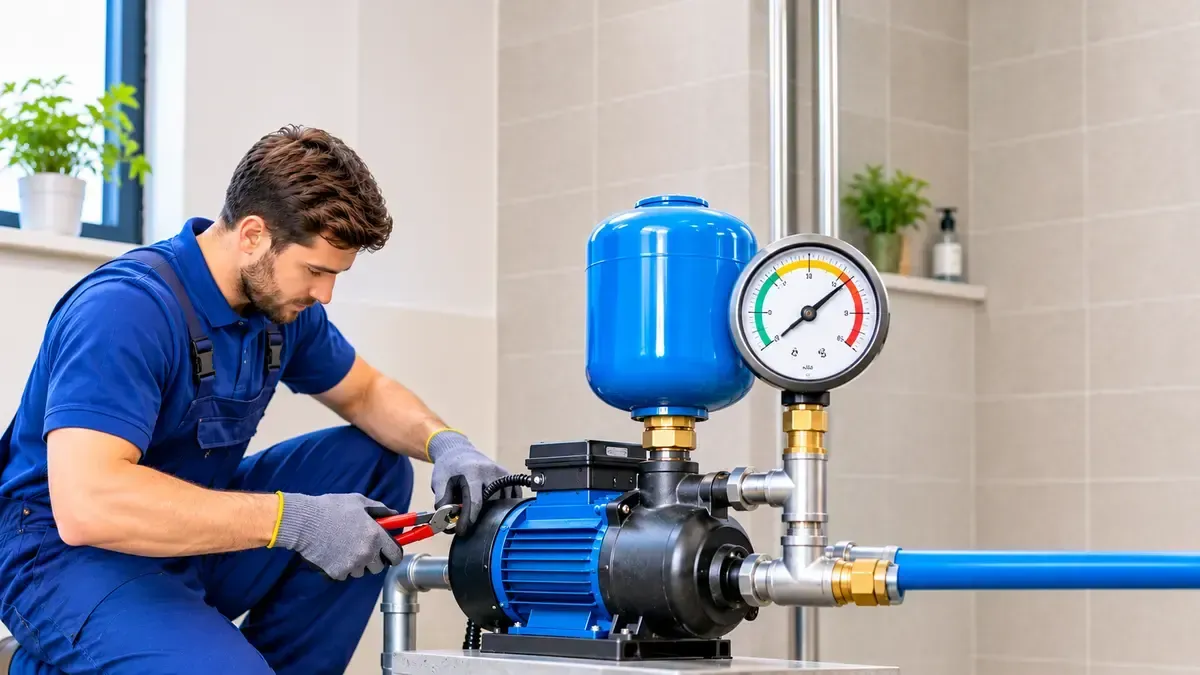
If your pipes are sound and there are no leaks but the mains simply cannot give enough, a water pressure booster pump can lift the flow across your whole home. For a weak upstairs shower on a tank-fed system, a shower pump or power shower also makes a big difference.
A booster is not a quick DIY job. It must be fitted properly and may need pipe upgrades, so always use a professional. A qualified plumber such as Assett Plumbing can size and fit the right pump. Fit a booster only after you rule out leaks, because pushing more pressure through a leaking pipe makes the damage worse.
Final Thoughts
There are many reasons for a drop in water pressure, but most can be easily identified by determining whether the issue affects the entire house or just a single tap. Before inspecting pipes, valves, and pumps, start by checking your stopcock, examining the affected tap, and looking for any leaks.
If simple fixes do not work, call in a professional. Assett Plumbing is a family-run, Gas Safe registered team with over 30 years of experience, serving Northampton, Kettering, Corby, Wellingborough, Rushden, Thrapston, Huntingdon, St Neots, and Oundle. With no call-out fees and a guarantee on all work, they are a reliable choice for handling leaks, pipework, and persistent pressure issues.
Read More: How to Fix a Leaking Tap: Common Causes, Warning Signs, and Easy Solutions
Frequently Asked Questions
Why is my water pressure low all of a sudden?
A sudden drop usually points to a burst main, repair work on your street, a hidden leak, or a failing pressure valve. Check with a neighbour first; if their water is fine, the problem is likely inside your home.
How do I increase water pressure at home?
Here is how to increase water pressure cheaply first: open your stopcock fully, clean limescale off your taps and showerheads, and check for leaks. If the mains still cannot deliver enough, a water pressure booster pump fitted by a professional raises the flow.
Why is my shower low pressure when everything else is fine?
A weak shower on its own is nearly always a blocked showerhead or a worn shower valve. Soak the head in vinegar to clear the limescale. On an upstairs tank-fed system, a shower pump gives you a stronger spray.
Why do I have low water pressure only in the hot taps?
If only the hot taps are weak, the cause is usually your hot water cylinder often has sediment inside the tank or a part-closed hot water valve. Cold taps use a separate path, so they stay strong. A heating engineer can flush or service the system.
You might also like