How Does a Plumber Find a Water Leak Underground
Underground water leak detection lets a plumber locate a buried leak without digging up your garden, using specialist equipment such as acoustic listening devices, thermal imaging cameras, pressure testing and tracer gas to pinpoint the exact spot to within centimetres. These non-invasive methods track them to within centimetres of the break by picking up the sound of water escaping, a heat signal or a gas trail. Most homeowners first notice a problem through a sudden increase in their water bill, wet patches in the garden or low water pressure at the taps and showers. If you notice any of these signs, you don’t need to panic about your lawn being destroyed; a local emergency plumber can help locate the leak without unnecessary digging.
Whether it's a slow pinhole leak or an urgent plumbing service situation, getting a professional out early saves money, protects your property, and keeps your water supply running properly.
What Is an Underground Water Leak?
Underground water leaks occur when a crack, hole or broken joint develops in a pipe buried in your garden, driveway or under the foundation of your home. Instead of water leaking out of the pipe and reaching your tap, shower or boiler, it seeps into the surrounding soil.
These leaks are difficult to detect because you can’t see the pipe. The water can drip silently, and the damage can build up over weeks or months before any obvious signs appear above ground. Underground leaks usually affect the main supply pipe that runs from the water meter at your property boundary to your home. They can also occur in heating pipework buried under concrete floor slabs, where heating system problems can sometimes be investigated with boiler repair or other heating services.
Warning Signs That You Have a Water Leak Underground
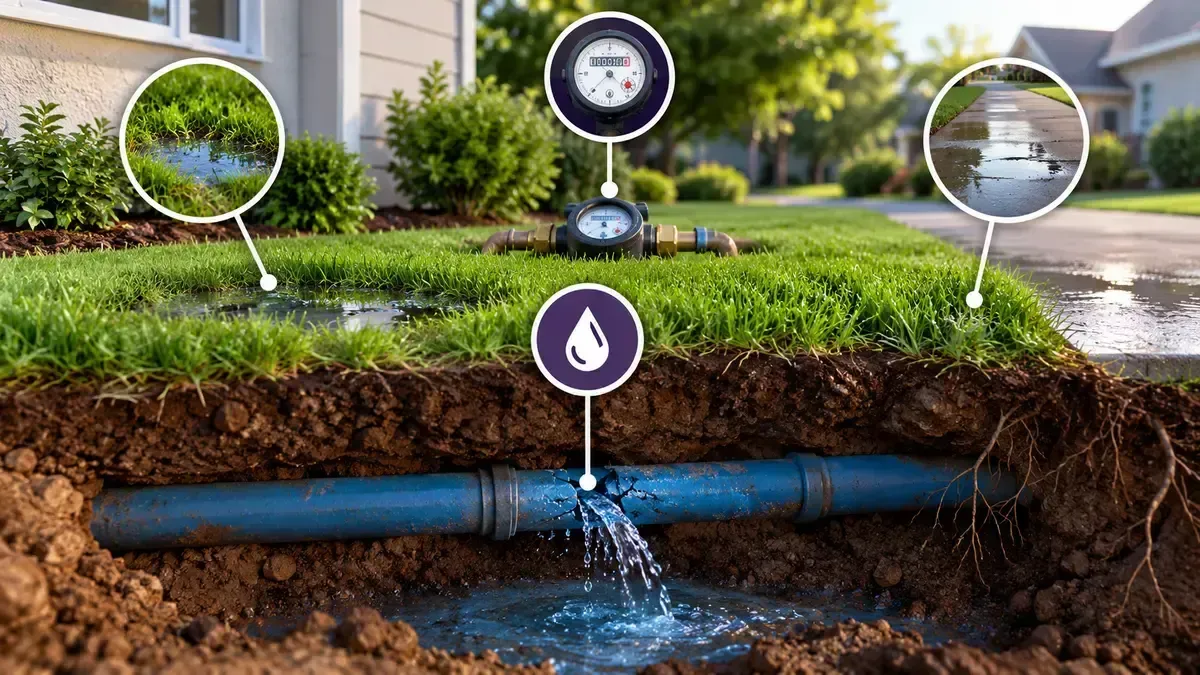
Your property is giving you signs when water is leaking where it shouldn’t be. Recognizing these signs early can prevent costly damage and keep routine repairs from turning into emergency plumber calls.
Your Water Bill is Rising
If you’re on a water meter and your bill suddenly goes up without you making any changes to your habits, water is going where it shouldn’t be. A sharp increase usually signals a major break, while a slow and steady climb over several months indicates a small pinhole leak that’s getting worse over time.
Wet or Soggy Patches in Your Garden
During dry weather, look for areas of your lawn, patio, or driveway that remain wet or muddy. A patch of grass that looks unusually green and lush compared to the rest of your garden is a great giveaway. Water pooling on the paving or blackening of stone joints when it hasn’t rained can also indicate an underground problem.
Low Water Pressure
If the water from your shower seems weaker than usual or your kitchen tap is taking longer to fill the kettle, water could be dripping from a break in the supply line before reaching your home. Consistently low pressure, rather than filling once, is a strong sign of a leak near the limit.
Water Running When Everything is Off
Listen carefully at night, when the house is quiet and all the taps are off. A constant hissing, whistling or soft dripping sound coming from the walls or floor indicates that water is flowing from a cracked pipe. If your boiler is off and no toilets are refilling, that sound is likely a leak.
Cracks in The Walls or Foundation
This is the most serious warning sign. If water washes away the soil beneath your home, the building may settle unevenly. New cracks in the plaster, doors that stick in their frames, or gaps between the baseboards and the floor are all signs that the soil beneath is shifting due to moisture.
Also More: How to Fix a Leaking Tap: Common Causes, Warning Signs, and Easy Solutions
How to Find a Water Leak Underground: The Water Meter Test
Before calling a professional plumber, you can do a simple test at home to see if your system is leaking. Your water meter is the best tool for this, and a complete check takes about ten minutes.
- Turn off all water: Make sure every faucet, shower, washing machine, and dishwasher in your home is completely turned off. Do not flush any toilets.
- Find your meter: Go outside and find your water meter, usually in a plastic or concrete box near the curb at the edge of your property. You may need a screwdriver to pry open the lid.
- Look for a leak indicator: Look for a small triangular or star-shaped dial on the face of the meter. If this indicator is spinning, even very slowly, water is flowing through the meter and into your pipes when it shouldn’t be.
Any movement on that small dial is your clue. It means that water is leaking somewhere in your system. If the dial remains completely still, your pipes are holding up. But if it moves, you have confirmed the problem and the next step is to find the exact location.
Professional Underground Water Leak Detection Tools Plumbers Use
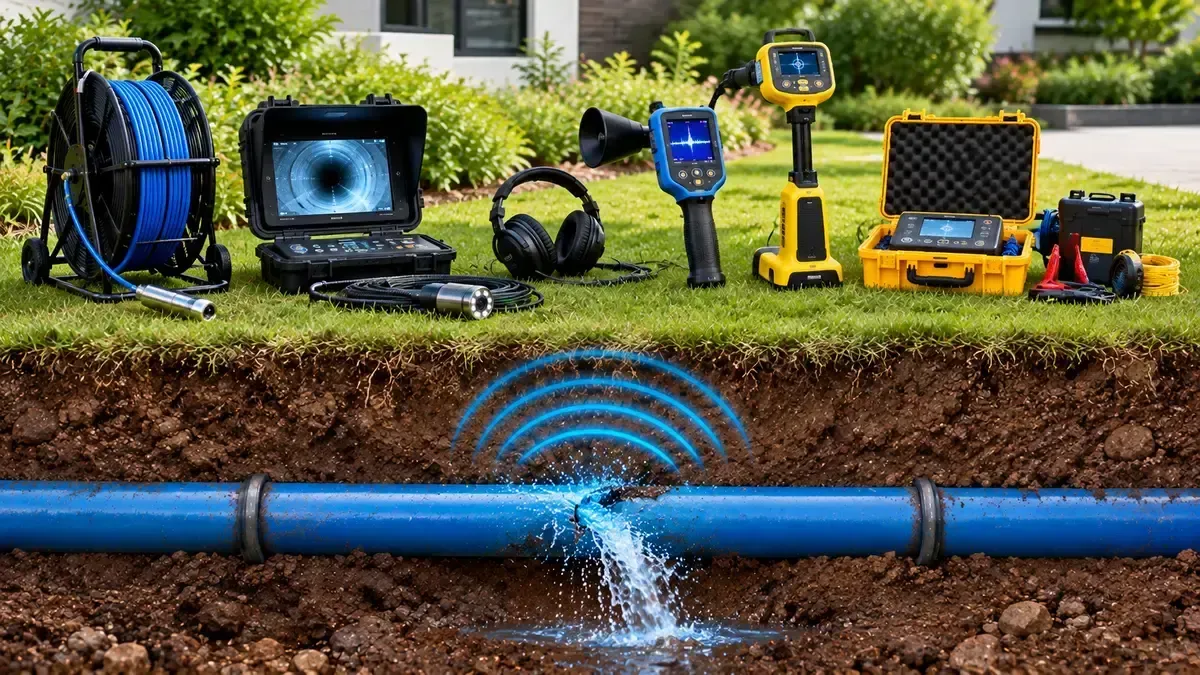
Modern leak detection is nothing like the old-fashioned way of digging a trench in your garden and hoping for the best. Today, qualified plumbers, including experienced teams such as Assett Plumbing, use advanced, non-invasive equipment to detect leaks before they cause any damage.
Acoustic Listening Devices
This is one of the most commonly used methods. When water escapes a pressurised pipe, it makes a distinct hissing sound. The plumber uses a sensitive electronic microphone that amplifies this sound and filters out background noise such as traffic or wind. By walking along the pipeline and listening at intervals, the engineer stays where the sound is loudest - above the leak.
Ground Microphones
Ground microphones work on the same principle as acoustic devices but are specifically designed for hard surfaces. They are designed to listen through concrete, asphalt, and paving slabs. These devices pick up the low-frequency vibrations caused by water hitting the ground below the surface. This is essential when the leak is under a driveway, path or internal concrete floor.
Thermal Imaging Cameras
The water escaping from the pipe changes the temperature of the surrounding material. Infrared cameras detect these temperature differences and display them as a colour map on the screen. The spread of cold or hot patches shows where moisture has collected, even through solid floors and walls. This method is especially useful for leaks under underfloor heating systems.
Tracer Gas Detection
For very small leaks that are too quiet for acoustic gear and too light for thermal cameras, plumbers use tracer gas. They inject a safe mixture of nitrogen and hydrogen into the pipe. The gas escapes through even the smallest cracks and rises through the soil and building materials. Handheld gas sniffers detect it above the ground, marking the exact leak point. This method is completely safe for homes.
CCTV Pipe Inspection
For drainage and sewer pipes, the plumber feeds a small waterproof camera on a flexible cable into the pipework. The live video feed shows cracks, broken sections or tree root intrusions inside the pipe. While primarily used for large, clogged pipes, it is the most accurate way to visually confirm the condition of underground drainage.
Pressure Testing
Pressure testing helps isolate which part of the pipe is leaking. The plumber attaches a gauge to the system and pumps water or air into the line to a certain level. If the pressure drops, the line is at risk. By closing off different sections and repeating the test, the plumber narrows the search down to the specific section of the pipe that is losing pressure. This is especially useful for heating systems and large plumbing networks.
Who to call
Who should you call for an underground water leak? Call a local leak-detection plumber who carries acoustic and thermal equipment - they can pinpoint and repair the leak the same day, without digging. If the leak is on the public water main in the road, report it to your water supplier. For a burst supply pipe or flooding, call an emergency plumber straight away:
emergency plumber in Kettering or
Wellingborough.
Why Do Underground Pipes Leak in the First Place?
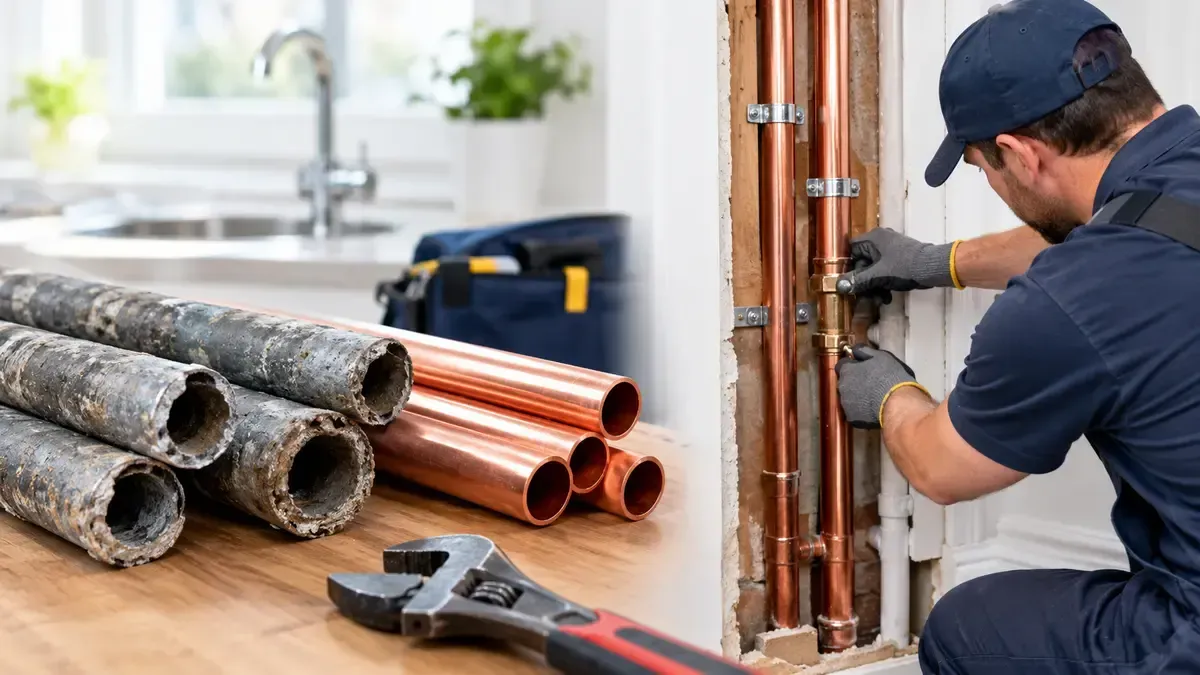
Pipes don’t just fail randomly. The most common causes are age and corrosion. In older homes with metal supply pipes, the pipe wall can become thinner on the inside over decades as water passes through. Properties built before the 1970s are particularly at risk.
Ground movement is another major factor. The clay soil common in England expands when wet and contracts when dry. This constant movement puts stress on buried pipes until they burst. Invading tree roots can also cause problems, as the roots wrap around pipes and gradually crush them. Finally, the high pressure of water from the mains supply can put stress on joints and fittings until one fails.
Regular plumbing and heating maintenance can help identify problems early. For example, boiler servicing allows a qualified engineer to regularly inspect the boiler and associated components, while other plumbing inspections can identify problems with pipework and pressure.
Who Is Responsible for an Underground Leak?
In the UK, your water company owns the mains that run under public roads. However, the supply pipes from your property line to your home are your responsibility. This means that you are responsible for repairing most underground leaks on your property.
The good news is that some water companies offer a free leak detection service for up to an hour if you report a suspected problem. If you have home insurance with plumbing and drainage cover, the cost of the trace and access work may also be covered under your policy. Assett Plumbing can also help homeowners identify the source of a suspected underground leak and determine the appropriate next steps.
How to Prevent Underground Leaks
You can’t prevent every leak, but regular maintenance reduces the risk and catches small problems before they become big.
- Check your water meter regularly: Do a ten-minute meter test every few months. Any unexpected movement on the dial means that water is leaking somewhere.
- Keep an eye on your water bill: A consistent increase over several billing cycles is an early warning of a slow leak.
- Get a plumbing inspection: A qualified plumber, available today, can check the condition of your pipes, the integrity of your joints, and your system pressure during a regular visit. This is especially true if your home is over 30 years old.
- Manage trees near your plumbing: If you have large trees near your supply pipes, consider checking the roots or having a professional assess the pipe route.
- Act on your warning signs immediately: Wet patches, mould growth, and odours should all trigger an investigation. It costs much less to repair a small leak caught early than a large leak discovered after months of damage.
Read More: How Much Is an Emergency Plumber Call-Out Cost in the UK?
Why Choose Asset Plumbing for Underground Leak Detection?
Assett Plumbing is a Trading Standards approved, family-owned company with over 30 years of experience helping homeowners in Northamptonshire. Our CRB-checked engineers carry professional leak detection equipment on every call-out and aim to be with you within the hour. We charge no call-out fees, and all our work comes with a 12-month guarantee for complete peace of mind. Contact us now.
Whether you need a 24/7 emergency plumber for a burst pipe or regular inspections to track down a slow leak, we cover a wide area including Northampton, Kettering, Corby, Wellingborough, Rushden, Thrapston, Oundle, Huntingdon and St Neots.
Frequently Asked Questions
How much does it cost to find an underground water leak?
The cost of finding a leak in the UK usually ranges from £150 to £400, depending on the complexity and the equipment required. Some plumbing companies do not charge a call-out fee. If your home insurance includes trace and access cover, you may be able to recover the cost of finding a leak.
Can I find an underground water leak myself?
You can confirm that a leak exists by running a water meter test at home. However, finding the exact location underground requires specialist equipment such as acoustic devices, thermal cameras or tracer gas systems. A plumber with the right equipment can fix the leak the same day, saving you unnecessary excavation.
How long does it take a plumber to find an underground leak?
Depending on the size of your property and the accessibility of the pipe, most professional leak detection surveys take between one and three hours. Simple leaks in straight runs are often found within the first hour. Leaks under concrete slabs or shared supply pipes can take longer.
Does home insurance cover groundwater leaks?
Many UK home insurance policies include trace and access cover, which pays for the cost of finding hidden leaks. Repairs may also be covered depending on your policy. Always check your specific terms and conditions to avoid complications with your claim and report the problem to your insurer as soon as possible.
What are the signs of a groundwater leak in your garden?
The most common signs include unusually green or lush patches of grass, persistent puddles or wet areas during dry weather, a sudden drop in water pressure, an unexplained increase in your water bill and the sound of running water when all taps are turned off. If you notice any combination of these, arrange for a local emergency plumber or leak detection specialist to investigate.
Is a groundwater leak an emergency?
It depends on the severity. A small, slow leak is not an immediate emergency but should be checked quickly to prevent damage. A burst supply pipe that could cause flooding, waterlogging, or endanger your home’s foundation is an emergency situation that requires an after-hours emergency plumber or a weekend emergency plumber to respond.
Think you’ve got an underground leak? Let’s find it — no digging
Assett Plumbing uses acoustic listening, thermal imaging and pressure testing to pinpoint a buried leak to within centimetres, then repair it — usually the same day, without tearing up your garden or driveway. Family-run and covering Northampton, Kettering, Wellingborough and across Northamptonshire, with no call-out fee and a clear written quote before any work.
Call now — 01604 372395You might also like