Winter Plumbing Upgrades: What's Worth Doing Before the Cold Hits
Stay Warm, Save Money, and Avoid Plumbing Woes
Most winter plumbing advice is about habits: open the cupboard doors, drain the hoses, keep the heating ticking over. We cover those in our winter plumbing preparation checklist and our guide on how to winterise your pipes.
This page is about the upgrades: the fittings, controls and servicing work that make your plumbing and heating harder to freeze and cheaper to run. For each one you will see whether it is a sensible DIY job or one for a qualified plumber or Gas Safe engineer.
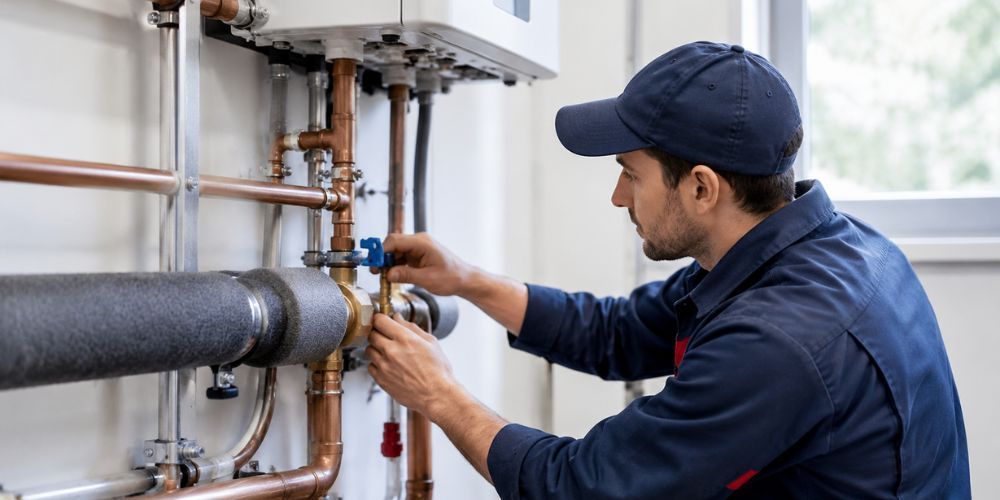
Winter Plumbing Upgrades at a Glance
| Upgrade | What It Does | DIY or Plumber |
|---|---|---|
| Pipe and loft tank lagging | Slows heat loss so pipes in cold spaces are less likely to freeze | DIY |
| Outdoor tap cover or frost-proof tap | Protects the most freeze-prone fitting in the house | DIY cover, plumber for a new tap |
| Insulated boiler condensate pipe | Stops the most common cold-weather boiler lockout | Plumber or Gas Safe engineer |
| Smart thermostat and frost protection | Keeps the house above freezing without heating it all day | DIY or plumber |
| Magnetic system filter and power flush | Removes and traps sludge so radiators heat evenly | Plumber |
| Annual boiler service | Catches faults before the first cold snap | Gas Safe engineer |
| Low-flow shower head | Cuts hot water use without losing spray strength | DIY |
| Smart leak sensor and a working stopcock | Limits damage if a pipe does fail | DIY sensor, plumber for stopcock |
DIY Plumbing Upgrades: Where to Begin
If you are a DIY enthusiast and willing to have a go, then here are a few things you can do yourself to reduce the risk of pipes freezing, keep things safe and reduce costs at the same time:
- Insulating Pipes: One of the simplest yet most effective ways to protect your plumbing system during winter is by insulating exposed pipes. Uninsulated pipes are vulnerable to freezing, which can lead to costly repairs. Foam pipe insulation is readily available at most DIY shops and can be easily installed by homeowners. Focus on areas such as basements, crawl spaces, and attics where pipes are more susceptible to the cold; don't forget to check in cupboards that are against an outside wall or even in a garage, as these may get colder than you realise on particularly frosty days.
- Sealing Leaks: Drafts around windows and doors not only make your home feel colder but can also affect your plumbing. Check for drafts and seal any gaps using weather-stripping, silicone sealer or caulk. Additionally, inspect areas where pipes enter your home and ensure they are properly sealed. Check where pipes enter or exit the building to make sure the surrounding brickwork is not damaged, leaving a gap to the outside; you can use expanding foam to fill these gaps. This all can help prevent cold air from infiltrating and causing pipes to freeze.
- Drain and Insulate Outdoor Taps: Garden taps are highly susceptible to freezing temperatures. To prevent damage, disconnect hoses and drain any residual water. Consider buying or making a tap cover to provide extra insulation and protection. This simple step can save you from frozen taps, burst pipes and expensive repairs.
- Upgrade to a Smart Thermostat: While not directly related to plumbing, upgrading to a smart thermostat can indirectly contribute to improved winter efficiency. By regulating your home's temperature more effectively and keeping it set to a low temperature even when you are out, you reduce the risk of frozen pipes and also save on heating costs. Smart thermostats also allow for remote monitoring and control, enabling you to adjust the temperature as needed, even when you're away from home or the office is closed.
- Install Heat Tape: Heat tape or thermal wrap tape is a versatile tool in preventing frozen pipes; it's often shiny aluminium, and some are waterproof too. It can be wrapped around pipes to provide an additional layer of insulation and heat. There are various types of heat tape available, and it's worth checking with your local plumber or DIY retailer which would be best for your circumstances.
- Upgrade Your Showerhead: Swap your shower head for a low-flow head to reduce hot water usage without sacrificing shower power. Modern low-flow technologies deliver a satisfying spray while significantly reducing water and energy consumption. Not only will your winter energy bills thank you, but the environment will too!
When to Call a Professional Plumber: Recognising Your Limitations
While many plumbing upgrades can be tackled by home or business owners, some tasks require the expertise of a professional plumber.
Recognizing when to call in the experts can save you time, money, and potential headaches.
- Burst Pipes: A burst pipe, or a frozen pipe that will not thaw. Turn off the water at the stopcock and call our emergency plumber team, with local cover in Northampton, Kettering and Wellingborough.
- Frozen Pipes: While insulation can prevent pipes from freezing, sometimes the cold weather is just too severe. If you suspect that your pipes are frozen, it's best to consult with a professional plumber. They can assess the situation, thaw the pipes safely, make any further pipe repairs, and implement preventative measures to avoid future occurrences.
- Water Boiler Issues: Winter puts additional strain on water heaters and boilers, and malfunctions can result in uncomfortable cold showers and increased energy bills. If you experience issues with your water heater, such as strange noises, leaks, or insufficient hot water, it's time to call in a professional plumber. They can diagnose the problem, power flush the heating system if necessary, and recommend repairs or replacement as necessary.
- Low Water Pressure: If your water pressure suddenly drops, it could be due to various issues, from frozen pipes or a water leak to a faulty pressure regulator. Assett Plumbing's skilled technicians can pinpoint the cause and restore your water flow to its previous glory in no time!
- Sewerage Problems: Cold weather can affect sewer lines both outside and inside the property, leading to blockages and backups. If you notice slow drains, overflowing toilets, gurgling noises, or foul odours, it's essential to consult with a plumber. Sewerage issues can be complex, requiring specialised equipment and expertise for effective resolution, and left untreated can be dangerous to your health.
- Appliance Installation and Upgrades: If you're considering installing a new boiler, bathroom, sink or toilet, or upgrading existing ones, or even whitegoods such as a washing machine or dishwasher, it's advisable to seek professional assistance. Proper installation ensures optimal performance and longevity, reducing the risk of leaks and malfunctions.
The Importance of Regular Plumbing Maintenance
Beyond addressing specific issues, regular plumbing maintenance is key to ensuring the overall health and efficiency of your plumbing system, especially during the winter months.
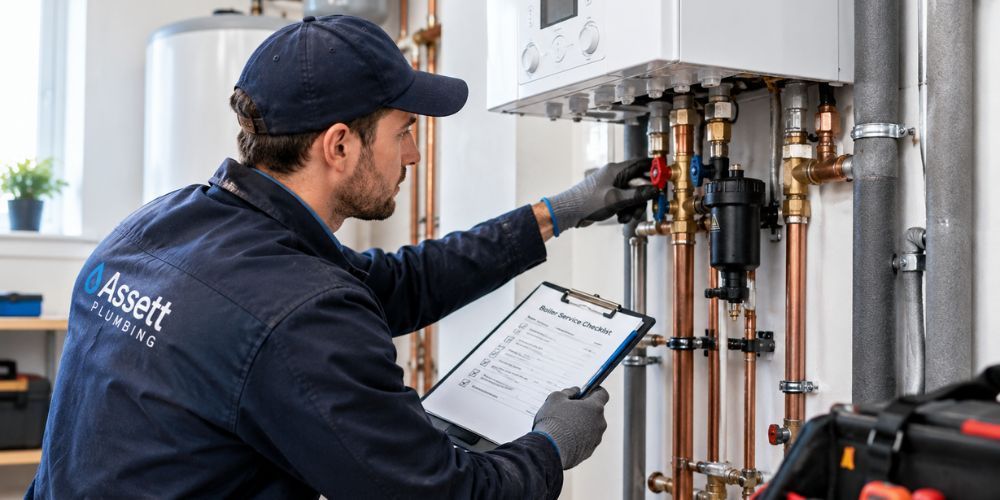
Call Assett Plumbing today to schedule a professional annual plumbing inspection to include a boiler service, review of your heating system, checking your pipes are properly protected for winter as well as power flushing your heating system for maximum efficiency.
During a full pre-winter inspection, our highly trained plumbers can identify and address issues such as corrosion, leaks, and wear and tear on pipes.
Additionally, incorporating routine tasks into your maintenance schedule can go a long way in preventing winter plumbing woes.
Power flushing water heaters to remove sediment, cleaning out gutters to prevent ice dams, and checking for tree roots near sewer lines are all proactive measures that can contribute to a smoothly functioning plumbing system.
Go Beyond Winter: Year-Round Benefits of Plumbing Upgrades
The advantages of winter plumbing upgrades extend far beyond the frosty months. By improving your system's efficiency, you'll enjoy:
- Reduced Energy Bills: Lower hot water usage through insulation and low-flow fixtures translates to significant savings on your energy bills throughout the year.
- Enhanced Water Conservation: Every drop counts! Upgrading your plumbing promotes responsible water usage, benefiting the environment as well as your wallet.
- Increased System Lifespan: Properly maintained and insulated pipes are less prone to wear and tear, extending the lifespan of your plumbing system and minimising the need for costly repairs.
- Peace of Mind: Knowing your plumbing system is winter-ready brings a sense of security and prevents unexpected plumbing emergencies from derailing your winter fun.
Assett Plumbing – Your Trusted Partner in Northamptonshire
For residents and businesses in Northamptonshire and the surrounding areas, Assett Plumbing stands as a reliable local expert for all your plumbing needs.
With a team of experienced and skilled plumbers, Assett Plumbing is dedicated to providing top-notch customer service, whether you're facing an emergency, seeking preventive measures for winter efficiency, or just needing an annual boiler service.
As the winter months approach, don't wait until plumbing issues arise. Take proactive steps to upgrade and maintain your plumbing system, and when in doubt, contact the professionals at Assett Plumbing.
Frequently Asked Questions
Do I need to insulate my pipes in winter?
Yes, if they run through the loft, garage, outbuildings, under floors or along external walls. Lagging slows heat loss so water stays liquid for longer, and it also helps keep hot water hot. It is a cheap DIY job.
What temperature should I leave the heating on to stop pipes freezing?
Many plumbers advise keeping the heating on low at around 12 to 15 degrees Celsius in cold spells, even when you are away. A smart thermostat with a frost-protection setting does this automatically.
Is a magnetic filter worth fitting?
Usually, yes. It traps rust and sludge in the heating system before it reaches the boiler and radiators. It works best fitted after a power flush, and it is checked and cleaned at your annual boiler service.
What should I do if my pipes freeze?
Turn off the water at the stopcock and open the taps. Thaw the pipe gently with a hot water bottle or warm towels, starting nearest the tap, and never use a naked flame. Check for leaks as it thaws, and call a plumber if a pipe has split or will not thaw.
Which winter plumbing upgrades can I do myself?
Pipe lagging, outdoor tap covers and low-flow shower heads are sensible DIY jobs. Power flushing, magnetic filters, stopcock replacement, condensate pipe changes and anything involving the boiler or gas should be done by a qualified plumber or Gas Safe registered engineer.
Image by Freepik
You might also like